Terrariums & Terrestrial Plants
The club is growing beyond the aquarium. From half-water paludariums to fully self-sustaining bioactive enclosures, here's what's waiting above the waterline.
Terrarium keeping shares a lot of DNA with the aquarium hobby — the same obsession with balance, the same joy in watching a small, self-contained world thrive. It's a natural extension of what ECAAC members already do, just with more soil and less water.
Whether you're building a lush paludarium for a pair of dart frogs, growing a windowsill collection of tropical foliage, or just curious what a "bioactive" setup even means, this is where we're starting to share what we know.
Paludariums
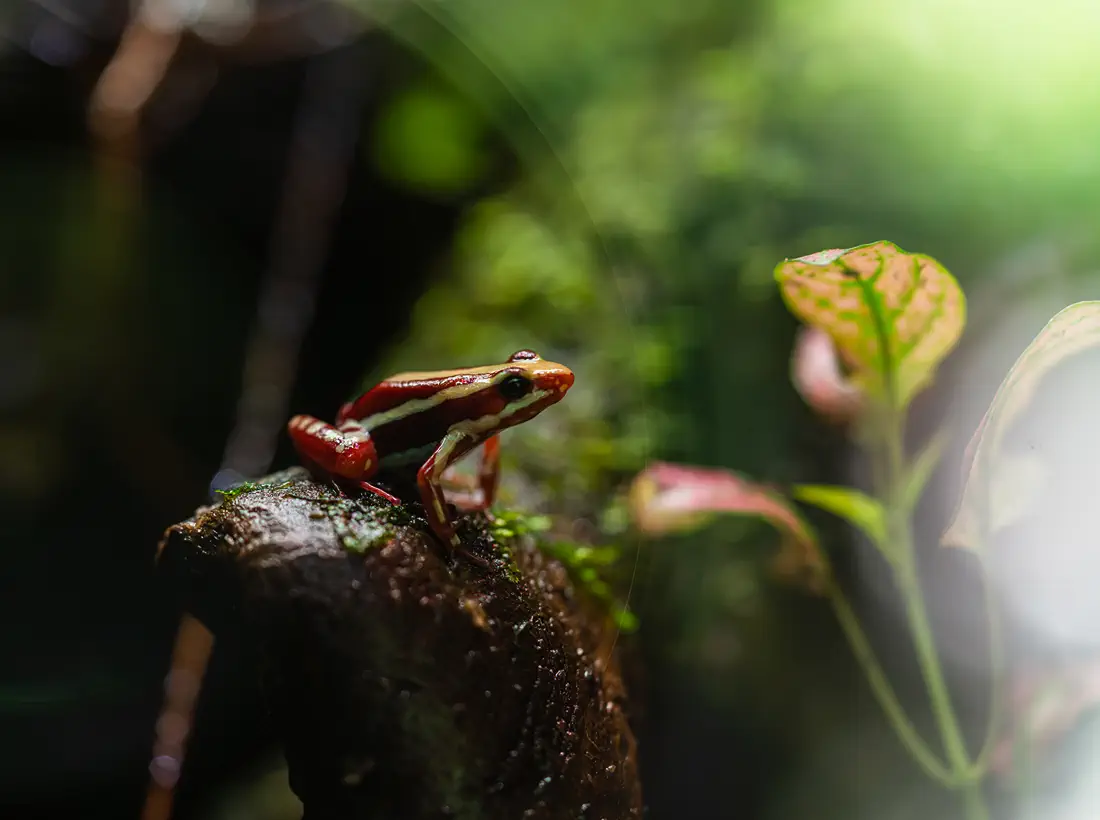
A paludarium is a hybrid enclosure that combines an aquatic zone with a terrestrial or semi-terrestrial one in a single tank — part aquarium, part terrarium. It's a natural bridge for aquarists looking to expand their skills without leaving the hobby entirely.
Getting the balance right takes some planning: a false bottom or barrier to separate land from water, drainage so the terrestrial side doesn't stay waterlogged, and a land-to-water ratio that suits whatever you're keeping — heavier on water for aquatic turtles, heavier on land for dart frogs or crabs.
- Combines aquatic and terrestrial zones in one enclosure
- Common builds: dart frog habitats, aquatic turtle setups, tropical stream biotopes
- Needs a false bottom, drainage layer, and careful land/water ratio
Bioactive Vivariums
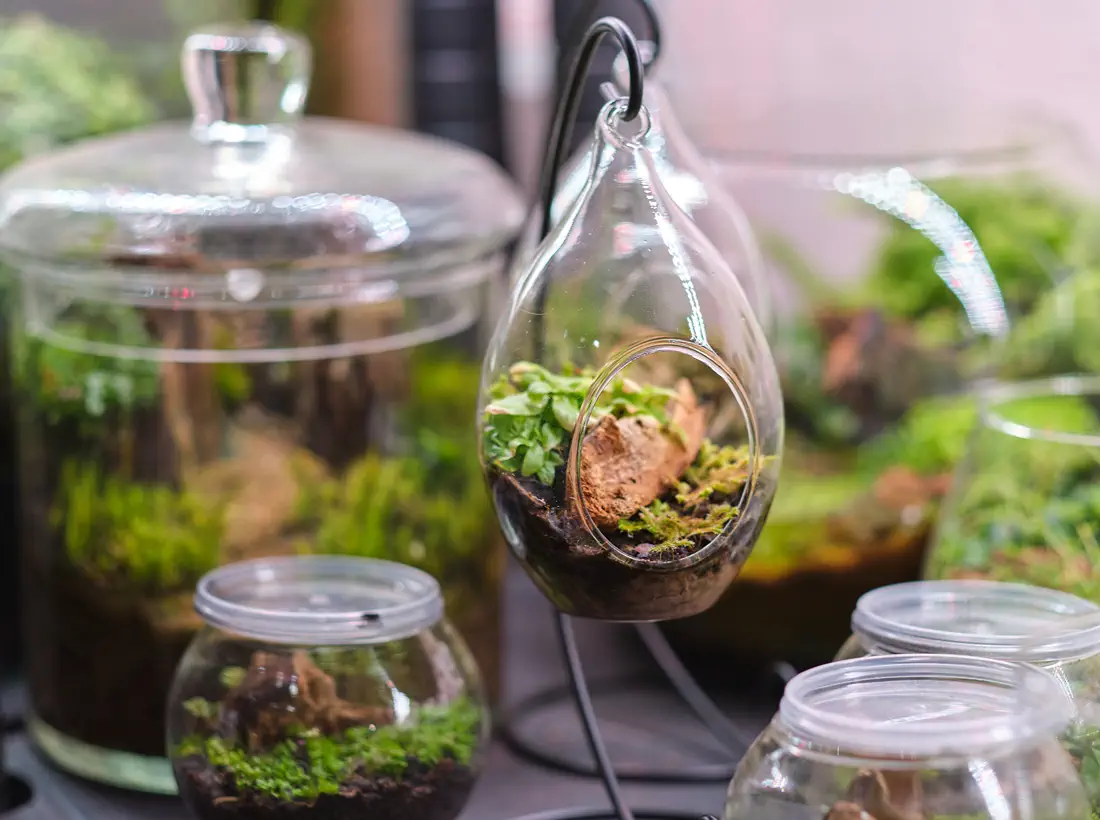
"Bioactive" means the enclosure has its own living cleanup crew — isopods, springtails, and other detritivores that break down waste, leftover food, and shed skin, turning it back into nutrients for the plants. Done well, a bioactive setup largely maintains itself.
The foundation is a proper substrate stack: drainage layer, barrier, and a rich, moisture-retentive substrate on top that supports live plants and gives the cleanup crew somewhere to burrow. It's less maintenance in the long run, but more thought up front.
- A living cleanup crew processes waste naturally, reducing maintenance
- Relies on a proper substrate stack: drainage, barrier, and bioactive soil
- Healthier, more natural conditions for the animals living inside
Terrestrial Plants
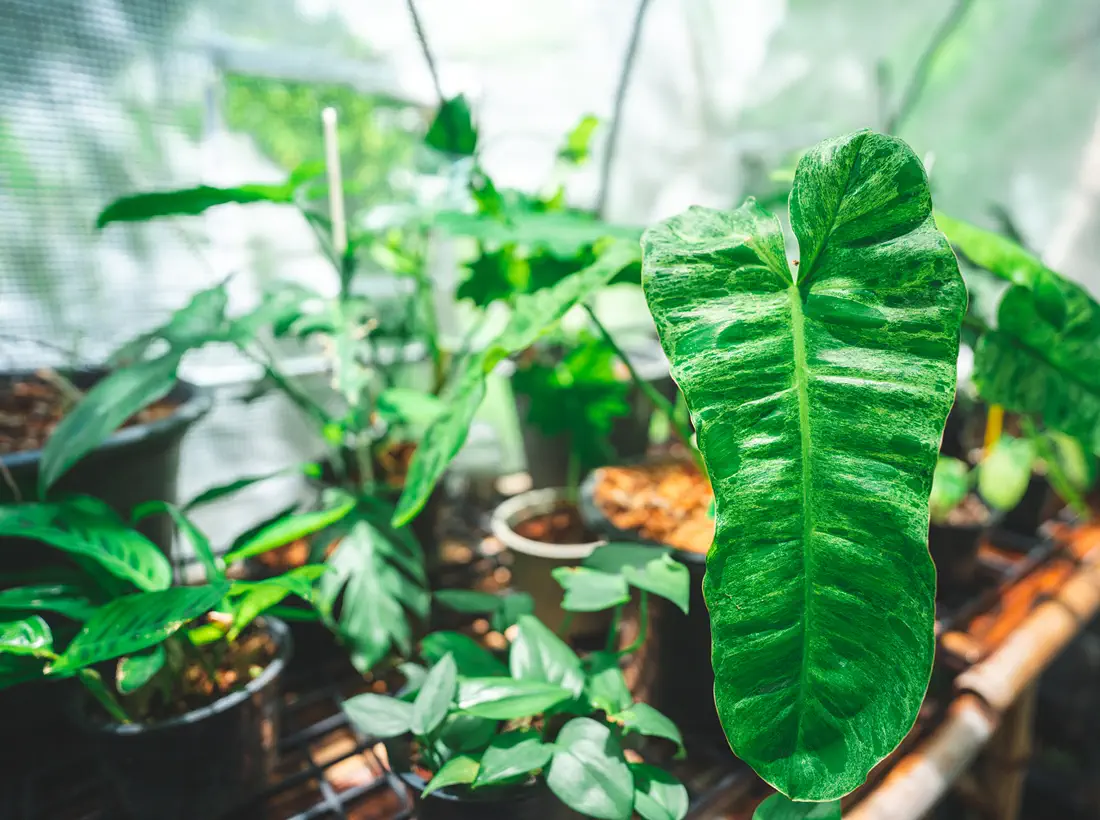
Terrarium planting is a different discipline to aquascaping, but no less rewarding. Mosses, ferns, and broadleaf tropicals fill out a terrarium's understory, while epiphytes like orchids and tillandsias mount onto wood and bark the same way Anubias or Bucephalandra attach to hardscape underwater.
The essentials are similar in spirit to a planted tank: the right light, consistent humidity, and airflow to keep things from turning stagnant. Get those right and terrarium plants can be just as forgiving — or just as demanding — as their aquatic counterparts.
- Mosses, ferns, and broadleaf tropicals for ground cover and understory
- Epiphytes like orchids and tillandsias mount onto wood and bark
- Needs the right balance of light, humidity, and airflow
Isopods & Micro-fauna
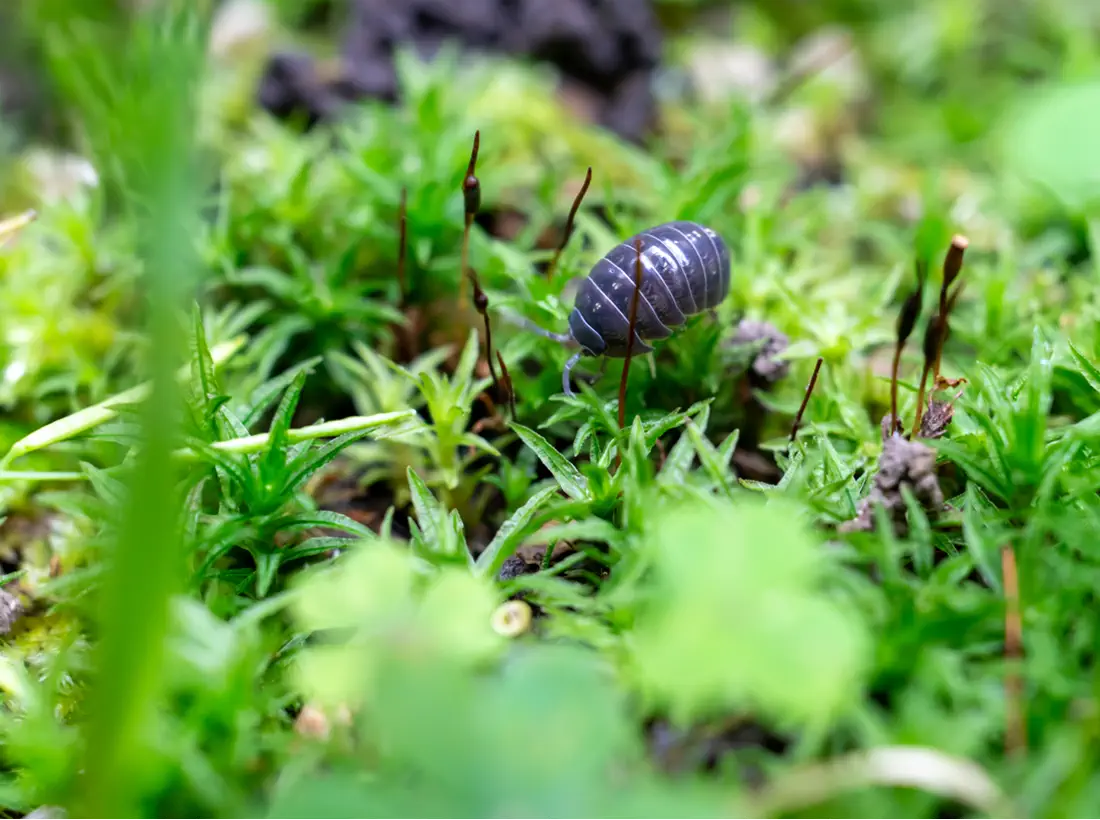
Isopods (terrestrial crustaceans, related to the same family as freshwater shrimp) are the backbone of most bioactive setups, alongside springtails, another tiny detritivore that helps control mould and breaks down waste at a microscopic level.
The hobby has its own culture of collecting isopod "morphs" much like shrimp keepers collect colour forms — Porcellio scaber, Armadillidium, Dwarf White, and Powder Orange or Powder Blue isopods are all popular starting points, each with slightly different care needs and personalities.
- Isopods and springtails form the core of most cleanup crews
- Popular morphs: Porcellio scaber, Armadillidium, Dwarf White, Powder Orange/Blue
- Springtails also help control mould and fungal growth in the substrate
Bring your questions to the next meeting
This is a new corner of the hobby for the club — the best way to learn more is to come along and talk to the members already exploring it.
Join the Community