
Fish Disease Identification & Treatment
Most fish diseases are treatable when caught early. This guide covers the most common diseases South African aquarists encounter — what to look for, what causes it, and what to do about it with products available in South Africa.
Isolate First, Treat Second
If you suspect a sick fish, move it to a separate quarantine tank before you do anything else. Treating the display tank risks crashing your nitrogen cycle (many medications kill beneficial bacteria), exposing healthy fish to unnecessary chemicals, and making diagnosis harder. A simple 20–30L tank with a seeded sponge filter is all you need.
Identify the Disease
Ich / White Spot
Ichthyophthirius multifiliis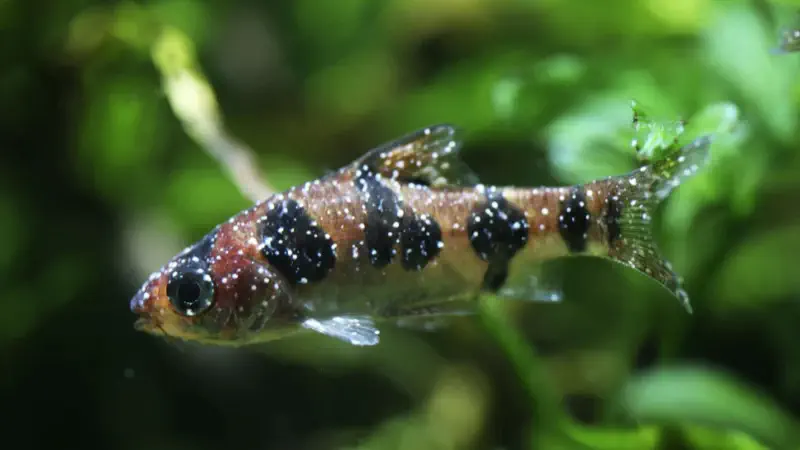
The most common disease in freshwater aquariums worldwide — tiny white spots resembling grains of salt or semolina scattered across fins and body. Each spot is a parasitic protozoan buried under the fish's mucus layer. The parasite's lifecycle has three stages, and only one of them (the free-swimming stage) is actually treatable, which is why treatment must continue for the full recommended period even after spots disappear.
What Causes It
- Introduction of infected fish or plants from an unquarantined source
- Chilling — a temperature drop of even 2–3°C weakens immunity and triggers outbreaks
- Stress from overcrowding, poor water quality, or transport
Treatment Options (SA)
- Heat method: Raise temperature to 30°C slowly over 48 hours, hold for 10 days — accelerates lifecycle so the free-swimming stage arrives faster. Add aeration.
- Aquarium salt: 1–3g per litre alongside heat increases osmotic pressure the parasite can't tolerate. Do not use in scaleless fish or planted tanks.
- Rid-Ich / Ichtho treatments: Methylene blue or formalin-based treatments available at SA pet stores — follow dosing instructions strictly.
- Sera Costapur, API Super Ick Cure: Both widely available in SA; effective against the free-swimming stage.
Step-by-Step Treatment
- Move affected fish to quarantine immediately if possible — or treat the full tank if all fish are exposed.
- Remove activated carbon from the filter — it absorbs medication.
- Raise temperature to 28–30°C gradually over 24–48 hours (add extra aeration as warmer water holds less oxygen).
- Begin medication per label instructions — never half-dose.
- Continue treatment for the full course (usually 7–14 days) even after spots disappear — the parasite has a lifecycle that's invisible between stages.
- Do a 25% water change between doses to remove dead parasites and keep water quality stable during treatment.
- Monitor for signs of secondary bacterial infection in any damaged skin after the parasite clears.
Velvet (Gold Dust Disease)
Oodinium pilularis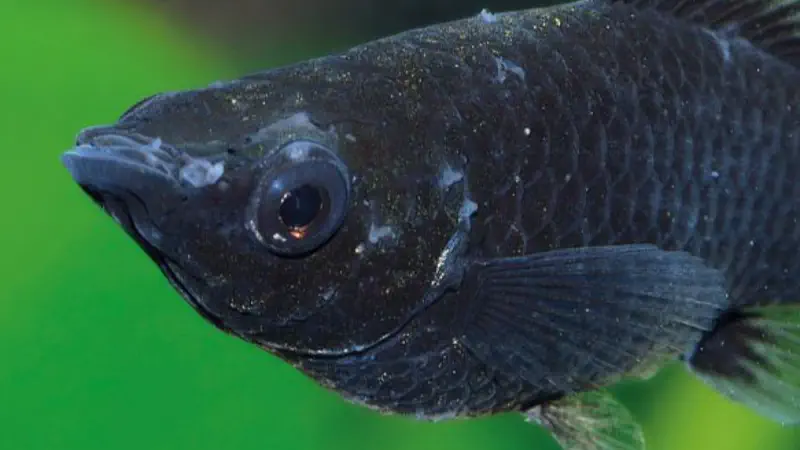
Often mistaken for Ich, but the spots are much finer — a gold, rust, or velvety dust rather than distinct grains. Caused by a parasitic dinoflagellate that photosynthesises (contains chlorophyll). This photosynthetic ability means darkening the tank is an effective part of treatment. More dangerous than Ich — moves faster and can kill an entire tank quickly if not treated promptly.
Causes
- Introduction from an infected source — fish or water
- Stress, poor water quality, and temperature swings
- More common in bettas, killifish, and danios
SA Treatments
- Darken the tank completely for 3–5 days — the parasite relies on photosynthesis, blocking light weakens it significantly
- Raise temperature to 30°C with extra aeration
- Copper-based treatments (Cupramine) — effective but must be used carefully, especially with scaleless fish
- Formalin-based treatments available at SA stores
Treatment Steps
- Quarantine immediately — velvet spreads very fast.
- Cover the tank with dark cardboard or a blanket to block all light for 3–5 days.
- Remove activated carbon.
- Raise temperature to 28–30°C slowly with added aeration.
- Begin copper-based or formalin treatment per label — continue full course of 10–14 days.
- Do partial water changes between doses.
Fin Rot
Aeromonas / Pseudomonas spp. (bacterial)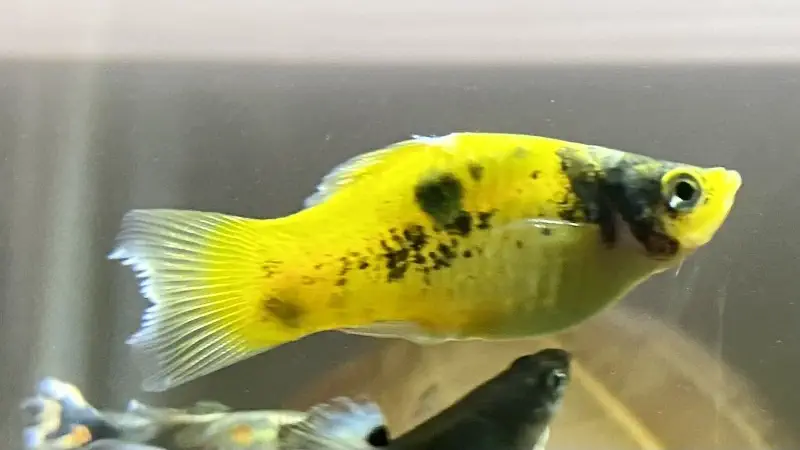
A bacterial infection of fin tissue that progresses from the edges inward. Usually opportunistic — the bacteria exploit damaged or stressed tissue. Often caused by fin-nipping tankmates, poor water quality, or an underlying illness. Caught early, fins can fully regrow. Left untreated, the infection reaches the body wall and becomes fatal.
Root Causes
- Poor water quality — high ammonia, nitrite or nitrate is the #1 cause
- Fin nipping by aggressive tankmates
- Stress from overcrowding or incompatible species
- Physical injury from rough handling or sharp décor
SA Treatments
- Water quality first — a large water change is often enough for mild cases
- Aquarium salt (1–3g/L) reduces bacterial load and supports slime coat recovery
- Melafix (API) — tea tree oil based, widely available in SA, good for mild cases
- Antibacterial treatments: Interpet Anti Fin Rot, or Seachem NeoPlex for bacterial infections
Treatment Steps
- Test water immediately — fix any ammonia, nitrite or high nitrate issues before anything else.
- Do a 30–50% water change.
- Separate the fish if fin-nipping tankmates are the cause.
- For mild rot: add aquarium salt and Melafix, monitor for improvement.
- For advanced rot (affecting body): use a proper antibacterial medication in quarantine.
- Continue treatment for the full course — fins will begin to regrow within 1–3 weeks if caught early.
Dropsy (Bloat)
Symptom complex — usually bacterial (Aeromonas spp.)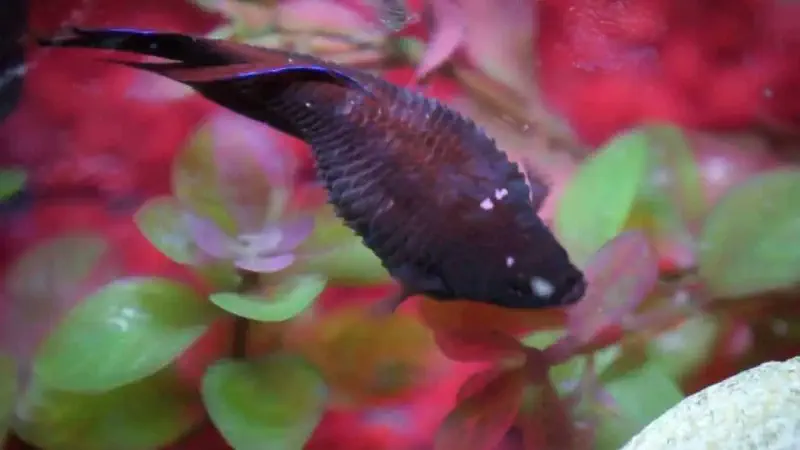
Dropsy is not a single disease but a set of symptoms — severe bloating, pinecone-like scale erection, and raised eyes — caused by fluid accumulating in the body cavity. Most commonly a sign of internal bacterial infection or organ failure. By the time visible symptoms appear, internal damage is usually significant. Honest prognosis: many cases cannot be saved, but early treatment gives the best chance.
Causes
- Bacterial infection of internal organs — usually opportunistic on an already stressed fish
- Chronic poor water quality over time weakening immune function
- Viral infections or parasitic loads in severe cases
- Nutritional deficiencies in some long-term cases
Treatment
- Isolate the fish immediately in a hospital tank.
- Add Epsom salt (1 tablespoon per 40L) to draw fluid out of the body.
- Use a broad-spectrum antibiotic — Kanaplex (Seachem) or a local equivalent where available.
- Maintain pristine water quality with frequent partial changes.
- If the fish is not improving within 5–7 days, humane euthanasia should be considered.
Gill & Skin Flukes
Dactylogyrus / Gyrodactylus spp.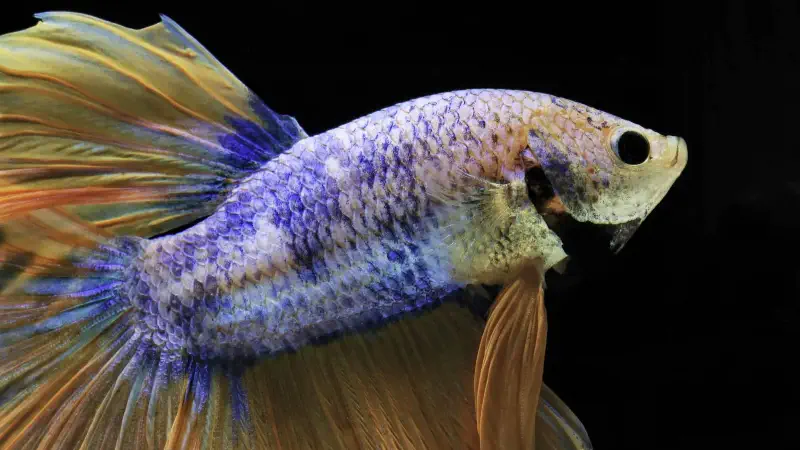
Microscopic flatworm parasites that attach to gills or skin. Gill flukes (Dactylogyrus) target gill tissue causing breathing difficulty. Skin flukes (Gyrodactylus) affect skin, causing flashing and excess mucus. Often present at low levels without obvious symptoms until fish are stressed, at which point populations explode. Very common in fish imported or bought from densely stocked fish stores.
Diagnosis
- Difficult to confirm without a microscope — suspected based on symptoms and history
- Try ruling out ammonia/nitrite issues first (similar symptoms)
- Fish purchased from a store with high fish density are higher risk
SA Treatments
- Praziquantel — highly effective against flukes, available via some SA suppliers and online; use in quarantine
- Salt dips (2–3% solution for 30–60 seconds) disrupt the parasite's osmotic balance
- Fluke-specific medications from SA pet stores
Treatment Steps
- Quarantine and improve water quality first.
- Treat with Praziquantel per dosing guidelines (typically 1 treatment, repeated after 7 days to catch eggs).
- For gill flukes especially, ensure high aeration during treatment as fish may be struggling to breathe.
- Second dose 7–10 days after the first to catch any newly hatched parasites.
Fungal Infection
Saprolegnia / Achlya spp.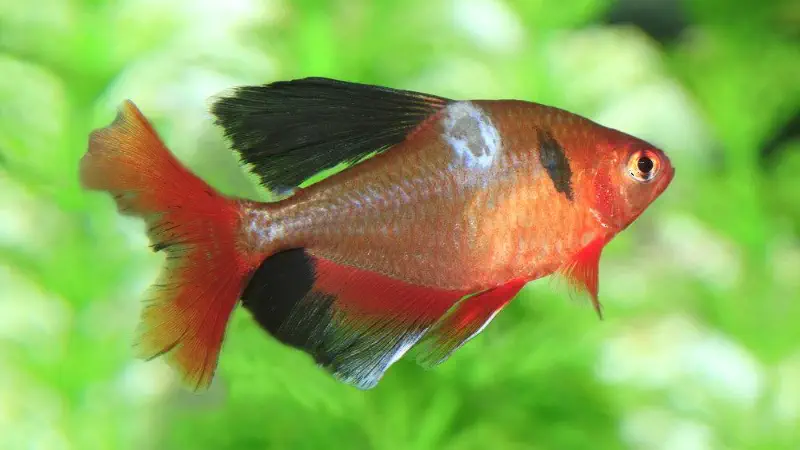
True fungal infections appear as white or grey tufts of cotton-like growth, almost always on a pre-existing wound, injury, or area of dead tissue. The fungus is opportunistic — it rarely attacks healthy, intact fish skin. Common on injured fish, on eggs in breeding setups, and as a secondary infection following bacterial disease or physical damage.
Causes
- Wounds from fin-nipping, rough handling, or sharp décor
- Secondary infection following bacterial disease
- Unfertilised or damaged eggs in breeding setups
- Poor water quality suppressing immune response
SA Treatments
- Methylene blue (widely available in SA) — antifungal with low toxicity, good for egg treatment too
- API Pimafix — pimaricin-based antifungal, available at SA pet stores
- Salt (2–3g/L) reduces fungal growth and supports slime coat
- Melafix + Pimafix combined for fish with both bacterial and fungal involvement
Treatment Steps
- Quarantine the affected fish.
- Improve water quality — fungus thrives in poor conditions.
- Apply antifungal treatment per label — usually a 7-day course.
- For breeding tanks: remove unfertilised eggs with a pipette daily and treat remaining eggs with methylene blue.
- Monitor for secondary bacterial infection in the affected tissue.
Columnaris (Saddleback Disease)
Flavobacterium columnare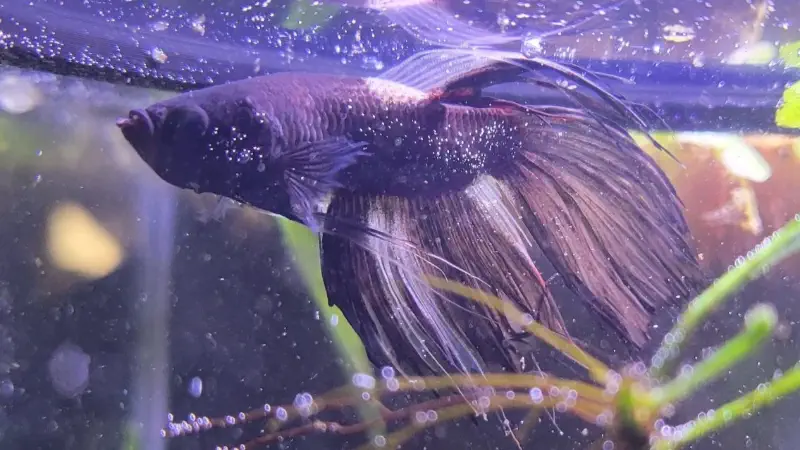
A bacterial disease that closely resembles fungal infection but progresses much faster and is far more dangerous. Classic presentation is a "saddle" of white-grey lesion across the back behind the dorsal fin, though it also affects gills, fins, and the body surface. Can kill fish within 24–72 hours in acute cases. Higher water temperature (above 24°C) speeds the disease significantly.
Causes
- Stress, overcrowding, poor water quality
- Wounds providing an entry point for the bacteria
- Warm water accelerates disease progression significantly
- Introduction from infected source water or fish
SA Treatments
- Broad-spectrum antibacterials — act fast, this disease moves quickly
- Furan-2 or nitrofurazone-based treatments where available
- Salt (2–3g/L) as a support measure alongside antibacterials
- Lower temperature slightly if possible — slows disease progression
Treatment Steps
- Quarantine immediately — do not wait to confirm diagnosis if you suspect Columnaris.
- Begin antibacterial treatment immediately — delay significantly worsens prognosis.
- Lower temperature slightly (to ~22°C for tropical fish that can tolerate it) to slow progression.
- Add salt to the quarantine tank.
- Treat the display tank prophylactically if other fish were in contact.
- Continue full antibacterial course — do not stop when symptoms improve.
Quick Visual Reference
| You See... | Most Likely Cause | Urgency | First Step |
|---|---|---|---|
| White grains, like salt on fins/body | Ich | Treat within 24hrs | Raise temp, begin treatment |
| Gold dust / velvety sheen | Velvet | Treat immediately | Darken tank, treat with copper |
| Ragged, fraying fin edges | Fin rot | Moderate — treat this week | Test water first, then treat |
| Body swelling, raised scales | Dropsy | Urgent — poor outlook | Isolate, Epsom salt, antibiotics |
| Cotton-like white tufts on wound | Fungus (or Columnaris) | Treat within 24hrs | Antifungal; use antibacterial if fast-moving |
| Rapid breathing, scratching, gasping | Gill flukes or ammonia poisoning | Urgent | Test water first — if OK, treat for flukes |
| Saddle-shaped white lesion on back | Columnaris | Treat immediately | Antibacterial treatment, quarantine |
Setting Up a Quarantine Tank
What You Need
A quarantine tank doesn't need to be elaborate — a basic, functional setup is all that's required. Keep it ready and able to be running at short notice so you're never scrambling when a fish looks sick.
- A spare tank of at least 20–40L
- A cycled sponge filter (keep it running in your main sump or sump, or in a holding bucket)
- A heater set to match the fish's temperature needs
- Minimal décor — easy to clean, nowhere to hide dead fish
- A lid — sick fish jump more than healthy ones
Quarantine Rules
A quarantine period of 3–4 weeks for all new fish is the single most effective disease prevention measure you can take — far more effective than treating after a disease has already entered your display tank.
- All new fish quarantine for a minimum of 4 weeks before entering the display
- Never share nets, buckets, or equipment between the quarantine and display tank without disinfection
- Feed lightly during quarantine — quarantine tanks are often lightly filtered and ammonia spikes are more likely
- Observe closely during the quarantine period — most diseases show symptoms within the first 2 weeks
- Consider prophylactic treatment for flukes and parasites during quarantine for fish from high-risk sources
Did You Know
Ich Can Survive Without a Host
The free-swimming tomont stage of Ich can survive in a tank without any fish for up to a week, which is why leaving a tank fishless doesn't guarantee Ich is gone — full treatment or a 2-week break is needed.
Most Antibiotics Kill Bacteria in Your Filter
Broad-spectrum antibacterials don't distinguish between pathogenic bacteria and the beneficial colonies in your filter media — always treat in a quarantine tank to protect your main tank's nitrogen cycle.
Load Shedding Stresses Fish
In South Africa, extended power outages from load shedding stress fish through temperature drops and reduced oxygen — both significantly increase susceptibility to Ich, fin rot, and bacterial infections in the days following an outage.
Salt Is Not a Cure-All
Aquarium salt is a useful supportive treatment that reduces osmotic stress and supports the slime coat, but it doesn't cure bacterial infections, viruses, or established parasites. It complements treatment; it rarely replaces it.
Melafix Doesn't Work on Everything
Melafix (tea tree oil) is commonly recommended in SA fish stores but has limited evidence for serious infections. It's a useful supplement for mild fin rot and wounds but not a substitute for proper antibacterials in serious cases.
Sick Fish Don't Always Look Sick
Many pathogens (Ich, flukes, Columnaris) can be present at subclinical levels for weeks before symptoms appear — quarantine all new fish regardless of how healthy they look at the shop.
Need Help Diagnosing a Sick Fish?
Bring a clear photo or video to an ECAAC meeting, or share it in the club group — experienced members can often narrow down a disease diagnosis from a good photo alone, and point you toward the right treatment available in SA.