
The Tropical Bioactive Vivarium
Step into a miniature rainforest that cleans itself. A bioactive vivarium isn't just decoration behind glass — it's a genuine, self-sustaining ecosystem, where a hidden workforce of tiny invertebrates quietly breaks down waste so the forest above can keep growing indefinitely.
What Is a Bioactive Vivarium?
Bioactive is a term borrowed from the reptile-keeping world that has spread rapidly through the planted-terrarium and paludarium hobby. Instead of a static display of plants in inert soil, a bioactive vivarium recreates the layered, living substrate of a real rainforest floor — complete with a functioning decomposer food web that processes waste in real time.
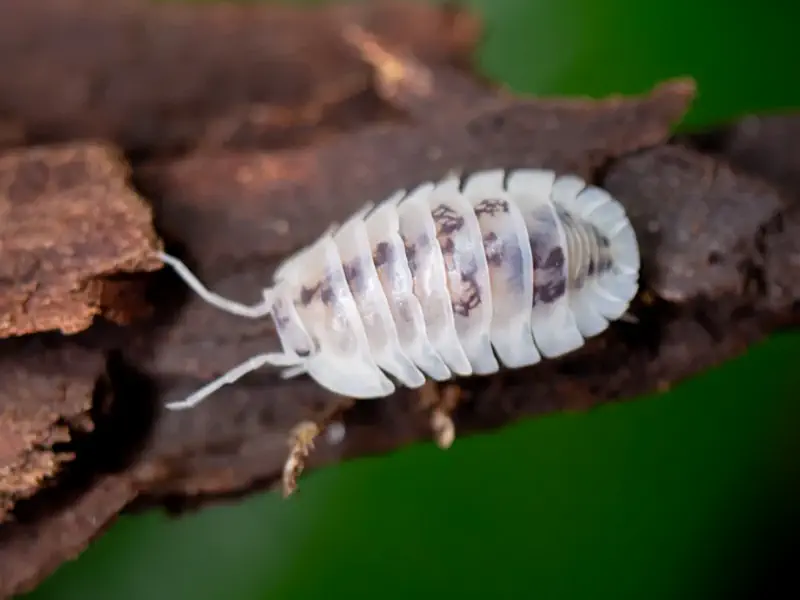
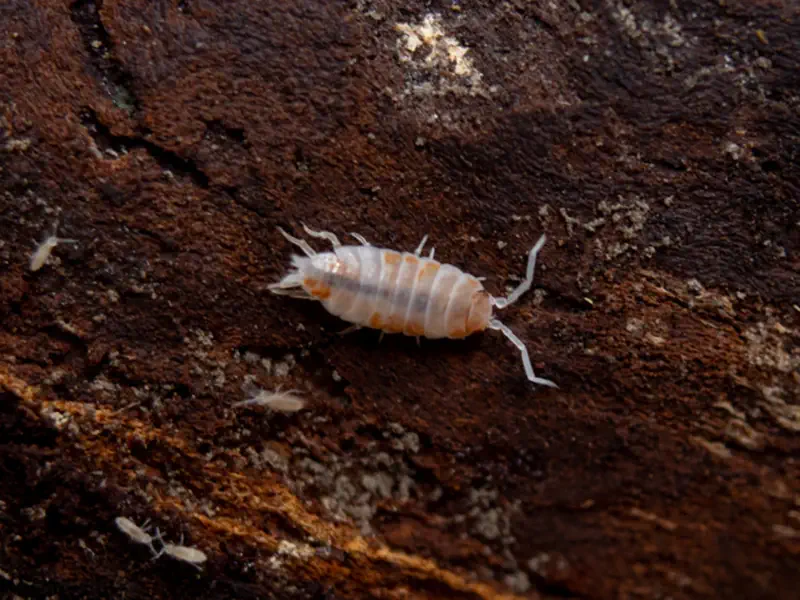
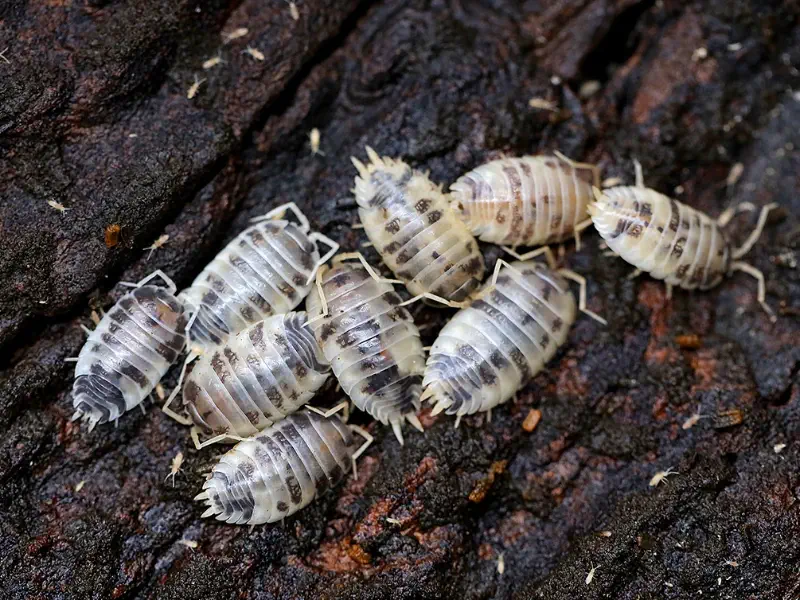
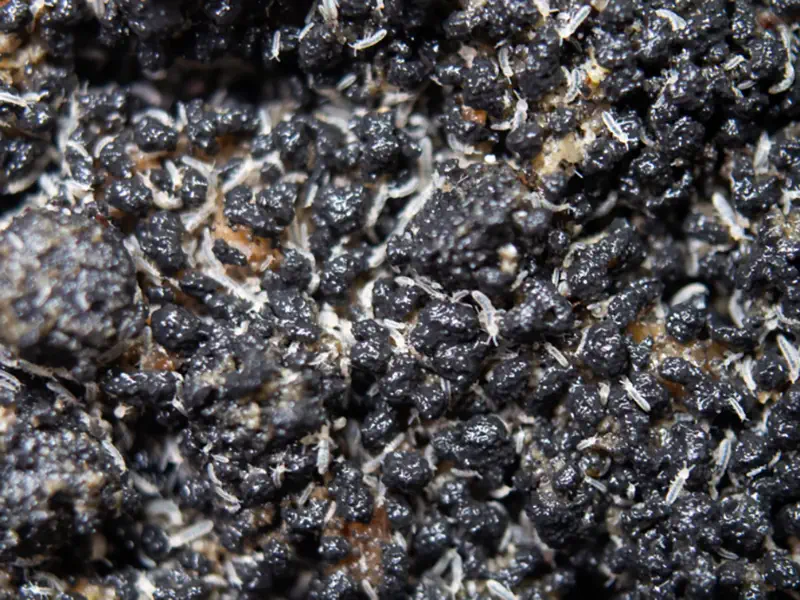
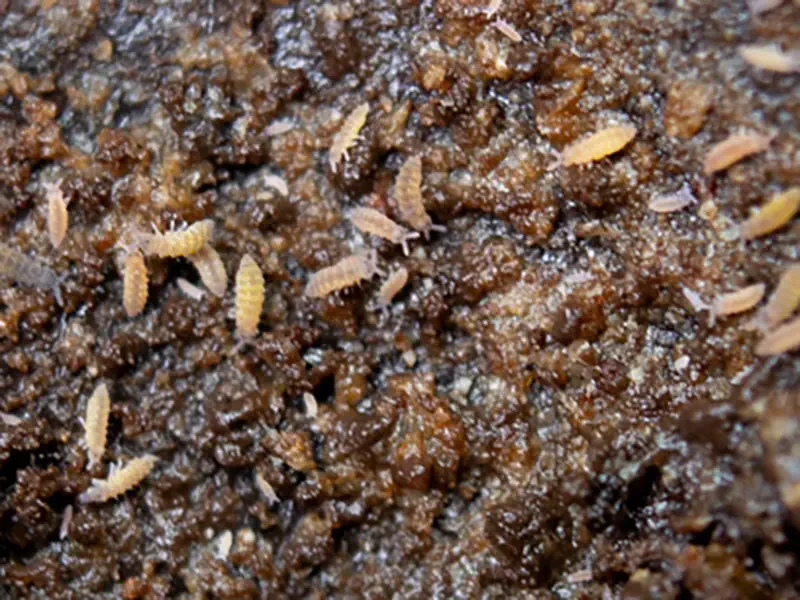
The concept mirrors the forest floors of tropical Central and South America, Southeast Asia, and equatorial Africa, where a constant rain of leaf litter, fruit, and animal waste is broken down by an army of fungi, bacteria, isopods, springtails, worms, and beetles before it ever has a chance to build up. That same decomposer community, transplanted into a glass enclosure, becomes a "clean-up crew" — quietly consuming mould, waste, and dead plant matter so the keeper rarely, if ever, needs to manually clean the substrate.
Because it depends on constant warmth and saturating humidity, the bioactive approach borrows its climate directly from equatorial rainforest: dense canopy cover, daily rainfall, and near-total humidity at ground level where light barely penetrates and the air itself feels wet to the touch.
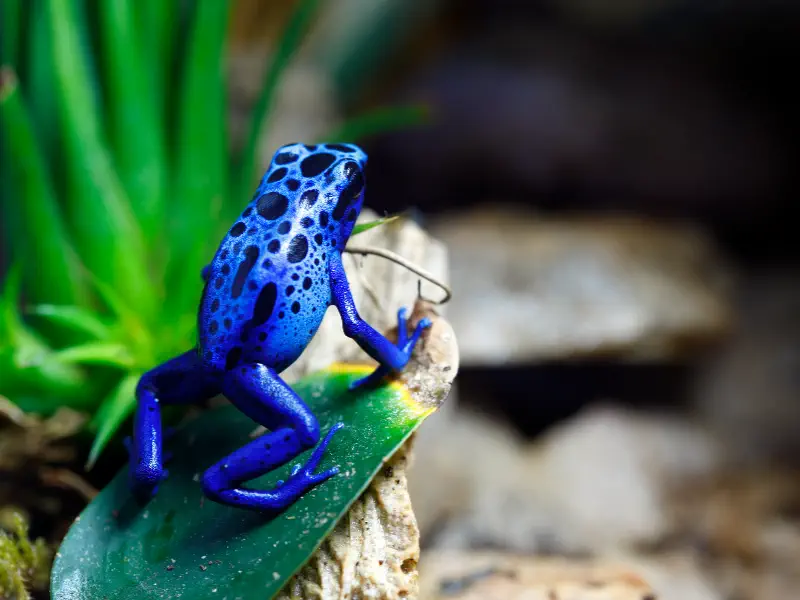
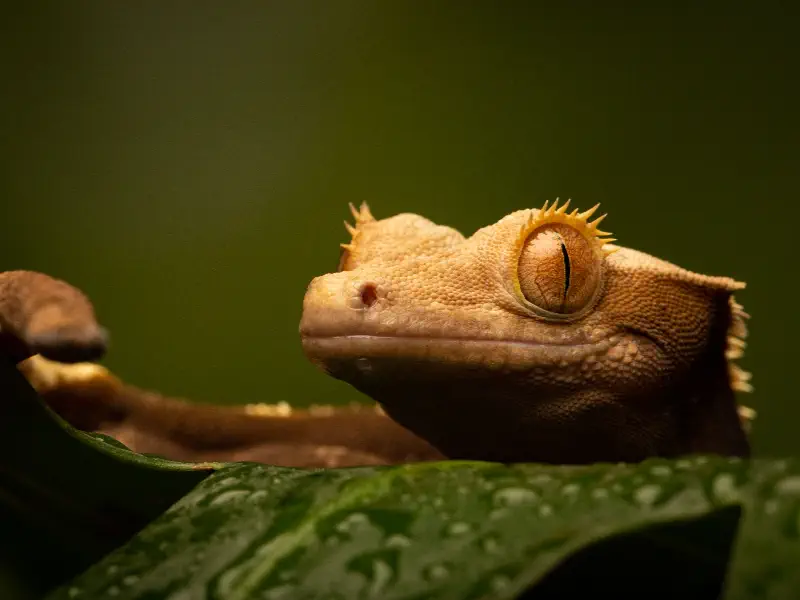
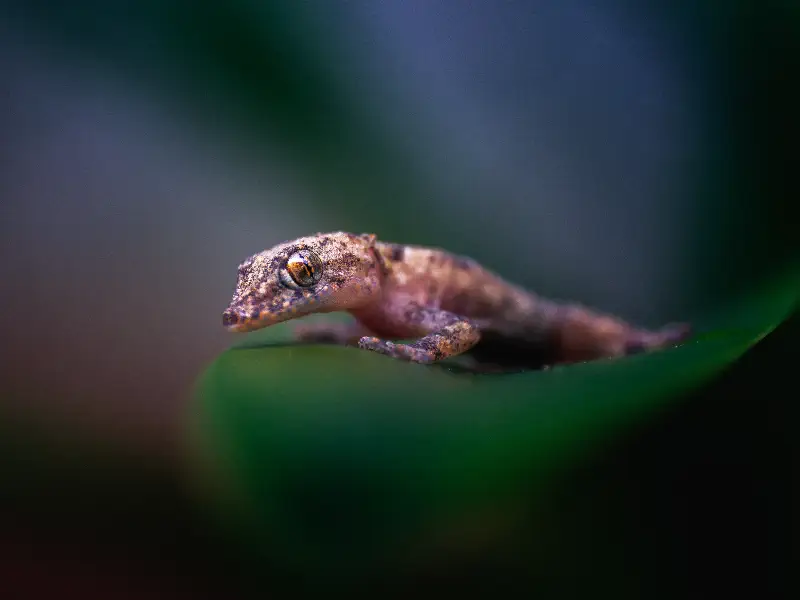
The result, done well, is closer to a sealed terrarium ecosystem than a display case — a jar of rainforest that keeps itself running, hosting anything from purely botanical displays to dart frogs, geckos, and invertebrates that call the rainforest floor home.
Field Notes
- Inspired by: Tropical rainforest floors of Central/South America, SE Asia & equatorial Africa
- Core idea: A living decomposer food web replaces manual substrate cleaning
- Structure: Drainage layer, false bottom, substrate, leaf litter, and dense planting
- Climate: Warm, humid, low airflow at ground level, dappled or low light
- Inhabitants: Isopods and springtails at minimum; often frogs, geckos, or invertebrates too
- Time to establish: Weeks to months for the clean-up crew and plants to reach a working balance
Enclosure Parameters
Did You Know
Springtails Existed Before Dinosaurs
Springtails (Collembola) are among the oldest land animals on Earth, with fossils dating back over 400 million years — they were quietly decomposing plant matter long before the first dinosaur walked.
Isopods Breathe Through "Gills"
Terrestrial isopods are actually land-adapted crustaceans, distant relatives of crabs and shrimp, and still breathe through gill-like structures — which is exactly why they need constantly moist substrate to survive.
A Miniature Nitrogen Cycle
A mature bioactive substrate runs its own nitrogen cycle, much like an aquarium filter — fungi and bacteria break down waste into forms plants can absorb directly through their roots.
Not Actually Waterproof
Despite living on land, most isopods and many rainforest-floor invertebrates will dehydrate within hours in dry air — their exoskeleton offers surprisingly little protection against moisture loss.
A False Bottom Isn't New
Layering drainage stone beneath substrate is essentially the same idea used in classical Wardian cases from the 1800s — the earliest sealed glass plant cases, invented decades before the word "terrarium" existed.
Frogs Absorb Water Through Skin
Many tropical frogs suited to bioactive vivariums don't drink water at all — they absorb moisture directly through a specialised patch of skin on their belly, another reason stable humidity matters so much.
Life in the Vivarium
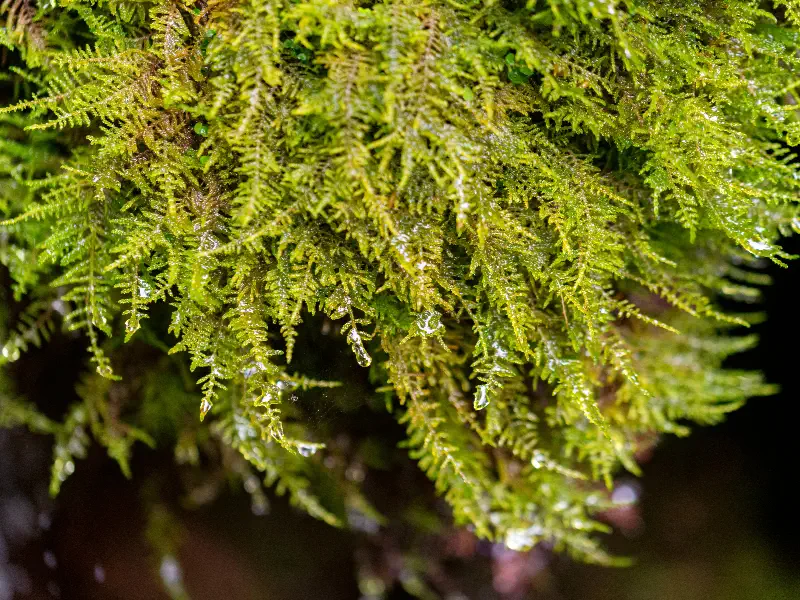
Java Moss
Vesicularia dubyanaAn undemanding, fast-spreading moss that carpets hardscape and substrate alike, tolerating the low light and constant moisture of a bioactive setup with ease.
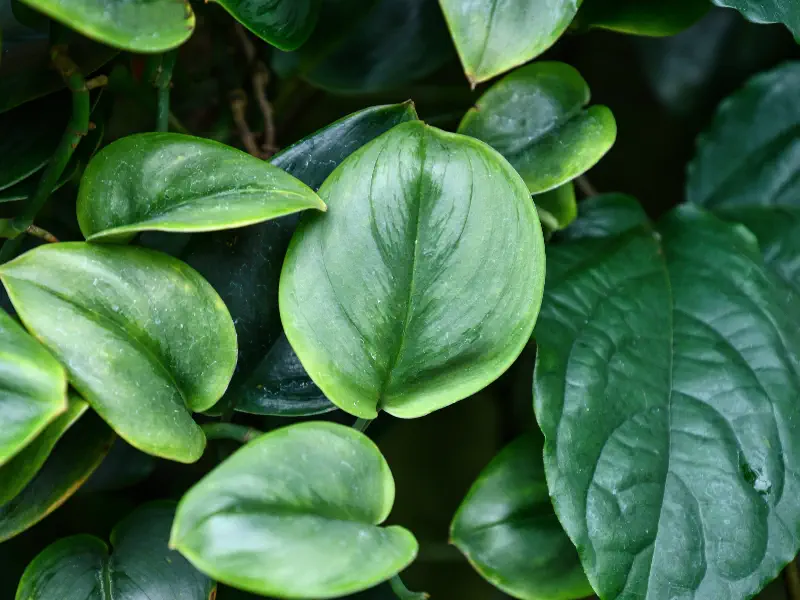
Pothos
Epipremnum aureumA resilient trailing vine often used to establish a vivarium quickly — its roots help stabilise humidity and draw up excess nutrients while showier plants settle in.
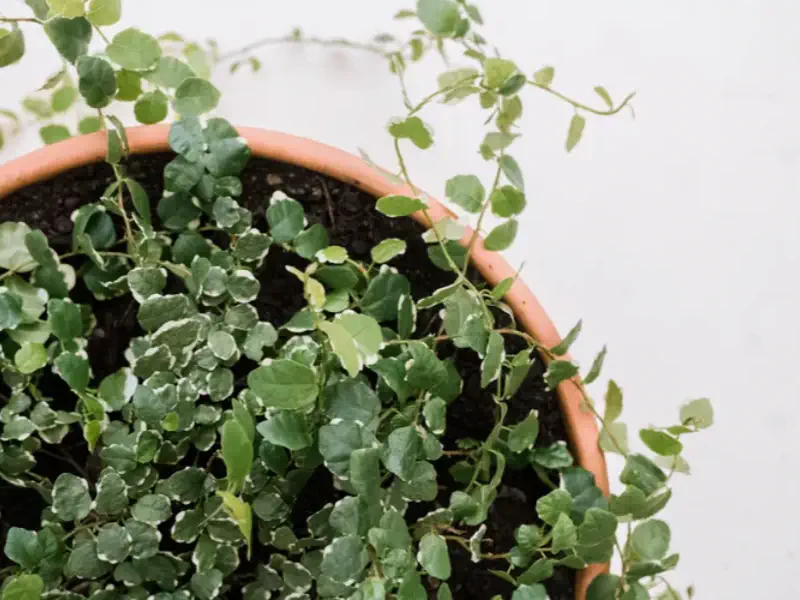
Creeping Fig
Ficus pumilaA small-leafed climber that clings directly to backgrounds and hardscape, gradually forming a dense green wall reminiscent of a rainforest understory.
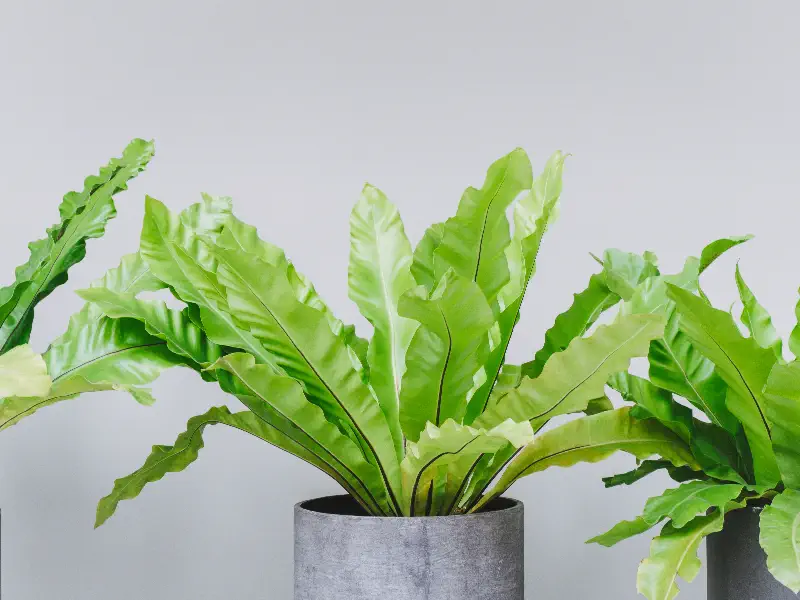
Bird's Nest Fern
Asplenium nidusAn epiphytic fern that naturally grows lodged in the crooks of rainforest trees, making it a natural fit for mounted, elevated positions in a vivarium.
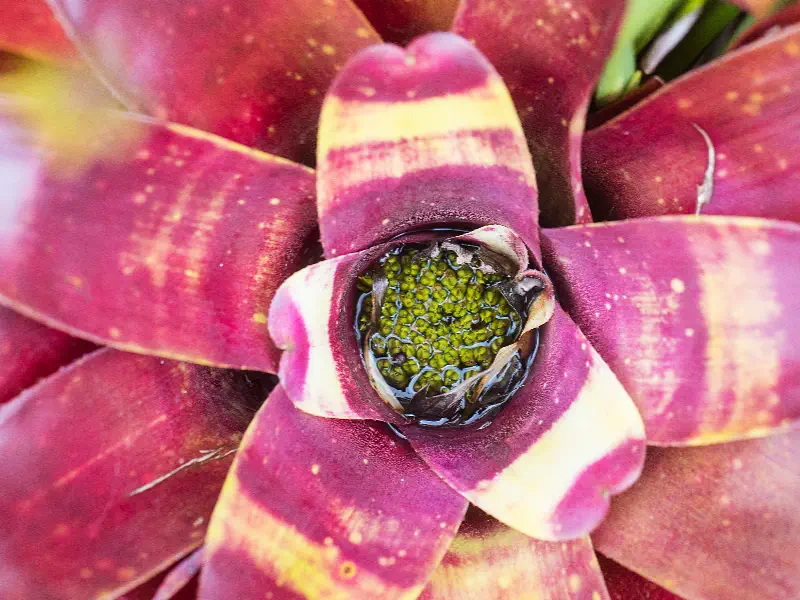
Neoregelia
Neoregelia spp.Colourful rosette bromeliads whose central "cup" collects water in the wild — a classic centrepiece plant for larger tropical vivariums and a favourite frog perch.
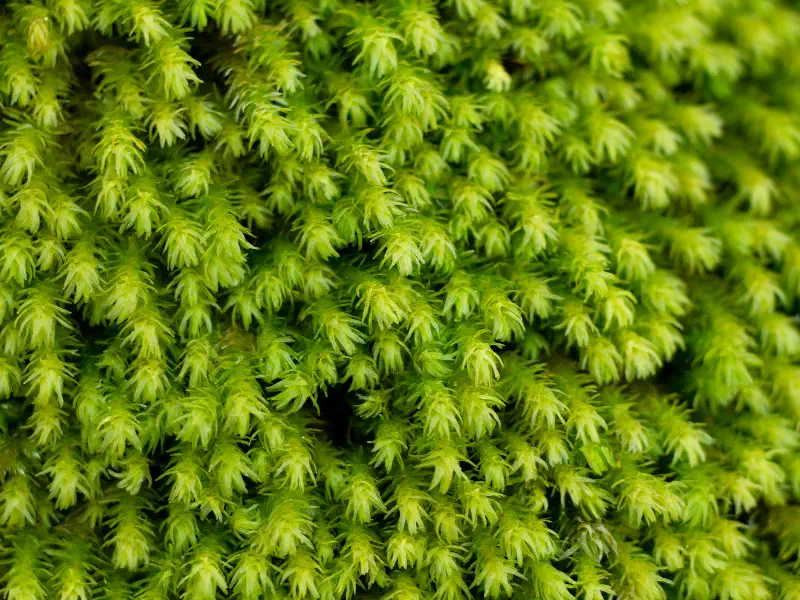
Sheet / Cushion Moss
Various spp.Wild-collected or nursery-grown moss sheets used to blanket substrate in a lush green groundcover, a defining visual signature of the bioactive aesthetic.
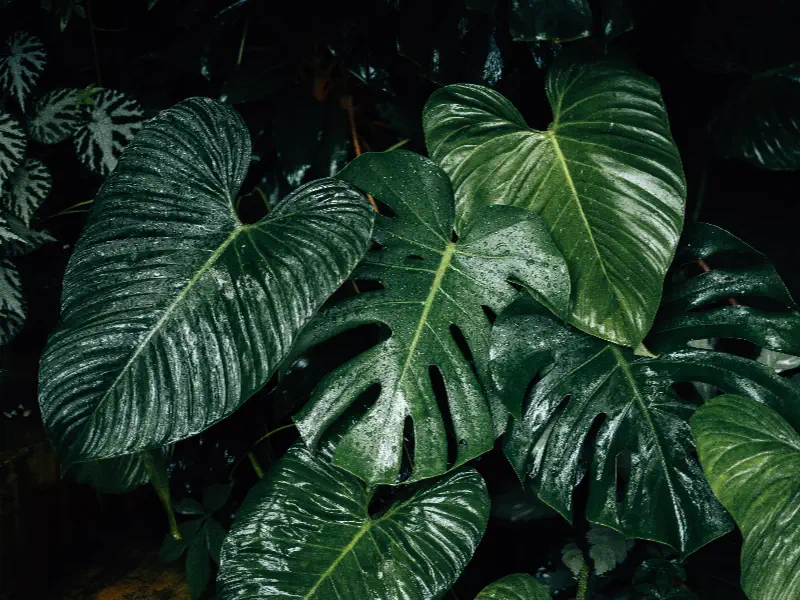
Philodendron
Philodendron spp.A large family of climbing and trailing tropical aroids offering bold foliage shapes and sizes, adding structural height and canopy layers to bigger enclosures.
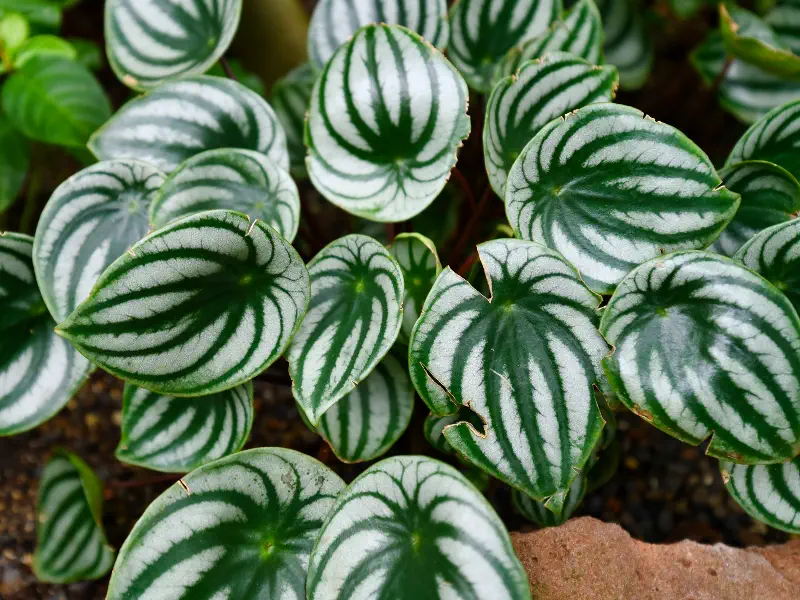
Peperomia
Peperomia spp.Compact, humidity-loving foreground plants with thick, textured leaves that tolerate the low airflow and constant dampness of a sealed vivarium substrate.

Building the Ecosystem
Layering the Enclosure
A bioactive build starts from the bottom up: a drainage layer of LECA or lava rock, a mesh barrier to stop substrate migrating down, then a deep bioactive substrate mix of soil, coco fibre, sphagnum moss and leaf mould. Leaf litter goes on top as both food and cover for the clean-up crew, with hardscape and plants layered in to create height and hiding spots.
Give the enclosure weeks — ideally a month or more — to "cycle" before adding sensitive display fauna, allowing plant roots, fungi and the clean-up crew to establish first.
Keeping It Balanced
- Seed the clean-up crew generously at the start — isopods and springtails need a working population before they can keep pace with waste.
- Mist regularly or automate misting to hold humidity steady; fluctuating moisture stresses both plants and invertebrates.
- Feed the clean-up crew directly (fish flake, leaf litter, vegetable scraps) during the establishment phase, before livestock waste alone can sustain them.
- Avoid pesticides or chemical treatments anywhere near a bioactive setup — they can wipe out the very decomposers the system depends on.
Curious About Building Your Own Vivarium?
ECAAC's terrarium community shares builds, sourcing tips and troubleshooting advice for bioactive setups of every size. Come along to a meeting, ask questions, and get hands-on guidance from members who've done it before.