
The Saltwater Reef Aquarium
Beneath the waves of the world's tropical oceans lies the most biologically dense ecosystem on Earth — a living architecture built by billions of tiny coral polyps over thousands of years. The modern reef aquarium recreates this world in miniature, and it has become one of the fastest-growing corners of the South African aquarium hobby.
What the Reef Recreates
Coral reefs cover less than 1% of the ocean floor yet support roughly a quarter of all known marine species — a density of life unmatched by almost any habitat on the planet. The great majority of aquarium livestock originates from the Indo-Pacific region, spanning the Red Sea, East Africa, Southeast Asia, and the vast reef systems of the Coral Triangle and Great Barrier Reef, with a smaller but well-established trade also drawing from the Caribbean.
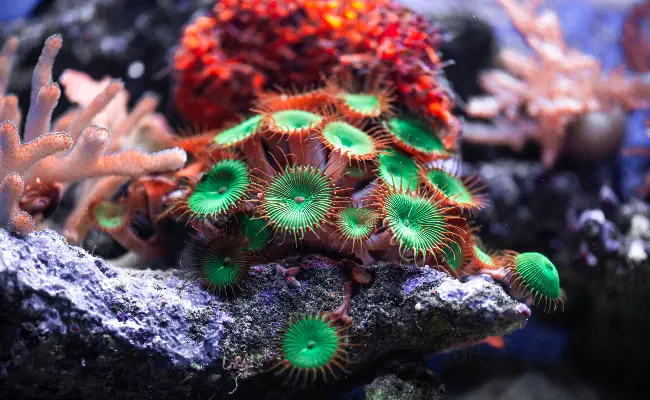
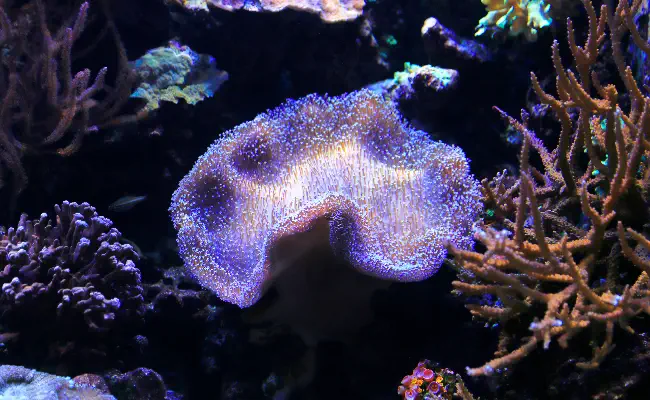
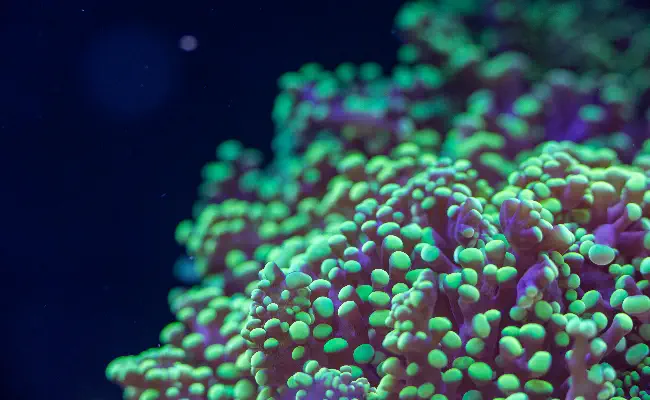
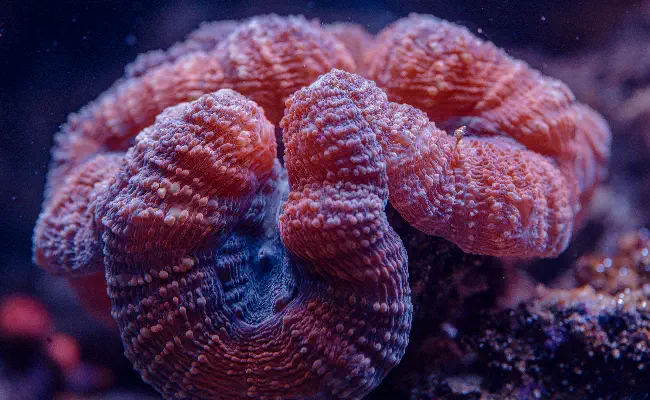
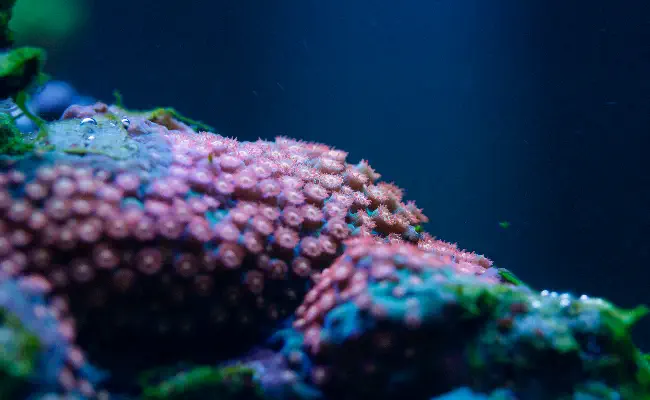
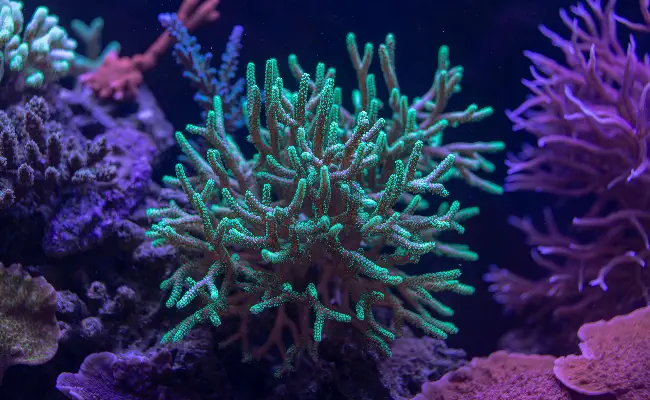
A reef is, at its foundation, a living structure. Hard corals (Scleractinia) secrete calcium carbonate skeletons that accumulate generation after generation, forming the physical reef itself over centuries and millennia. Inside coral tissue lives a microscopic algae partner called zooxanthellae, which photosynthesises and shares the sugars it produces directly with its coral host — the true engine behind coral growth and colour, and the reason reef tanks depend so heavily on strong, carefully tuned lighting.
A reef aquarium therefore isn't simply a fish tank with saltwater — it's an attempt to recreate an entire miniature ecosystem: stable, mineral-rich water chemistry; intense lighting tuned to coral needs; strong water movement mimicking ocean currents; and a community of fish, corals, and invertebrates that all depend on one another, much as they do on a real reef.
In South Africa, the marine side of the hobby has grown steadily alongside advances in captive coral propagation, protein skimming, and LED lighting technology — meaning far more of today's coral and livestock is captive-bred or aquacultured than wild-harvested, a shift the local hobby has actively embraced.
Field Notes
- Primary source regions: Indo-Pacific (Red Sea, East Africa, SE Asia, Coral Triangle), with some Caribbean trade
- Reef coverage: Under 1% of the ocean floor, yet home to ~25% of marine species
- Core partnership: Corals and symbiotic zooxanthellae algae, powering growth via photosynthesis
- Habitat zones: Shallow reef flat, reef slope, lagoon, and deeper reef wall
- Water character: Warm, extremely stable, alkaline, and mineral-rich open ocean water
- SA hobby trend: Rising use of captive-bred fish and aquacultured coral fragments
Water Chemistry
Did You Know
Animal, Not Rock
Every hard coral colony is made up of thousands of individual animals called polyps, each a tiny relative of a sea anemone, working together to build one shared calcium carbonate skeleton.
Solar-Powered Animals
Reef-building corals get up to 90% of their energy from the photosynthesising algae living inside their tissue, essentially making them part animal, part solar panel.
The Skeleton Never Stops Growing
Most reef structures visible today took thousands of years to form, growing just millimetres to centimetres per year — a scale of patience the reef aquarium hobby tries to compress into a glass box.
Colour Comes From Stress and Symbiosis
A coral's vivid colour comes from a combination of its own natural pigments and the algae inside it; when badly stressed, corals expel their algae and turn ghostly white — the process known as bleaching.
A Clownfish Never Leaves Home
Clownfish form a lifelong symbiotic bond with a single host anemone, developing immunity to its sting and rarely straying more than a body length or two away from it in the wild.
Fragging Builds the Modern Hobby
Most captive corals in the hobby today are grown from small cuttings — called "frags" — taken from an existing colony, a technique that has dramatically reduced the need for wild coral collection.
Life on the Reef
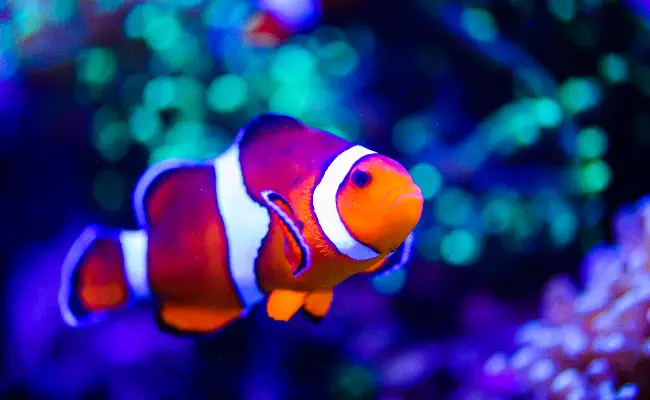
Clownfish (Ocellaris / Percula)
Amphiprion ocellaris / perculaThe reef hobby's most recognisable fish, now almost entirely captive-bred worldwide — hardy, personable, and an ideal starting fish for a first marine tank.
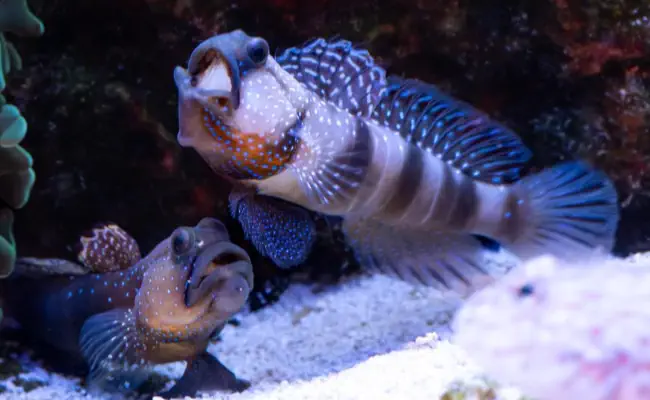
Diamond / Watchman Goby
Valenciennea puellarisA sand-sifting goby that constantly reworks the substrate in its mouth, helping keep sand beds aerated and free of detritus and detrital film.
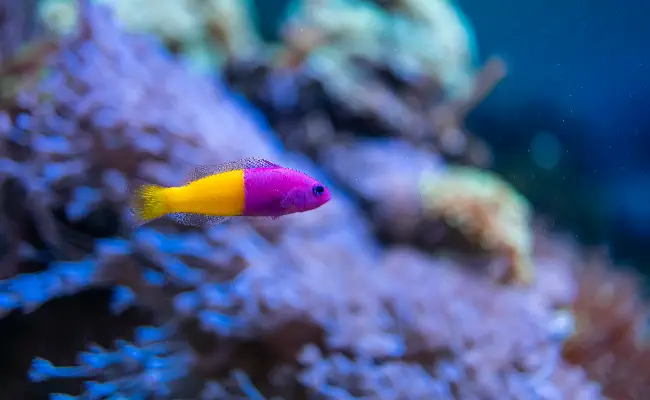
Orchid Dottyback
Pseudochromis fridmaniA vivid magenta-purple reef fish, small enough for nano tanks, and a hardy, disease-resistant favourite among South African reef keepers.
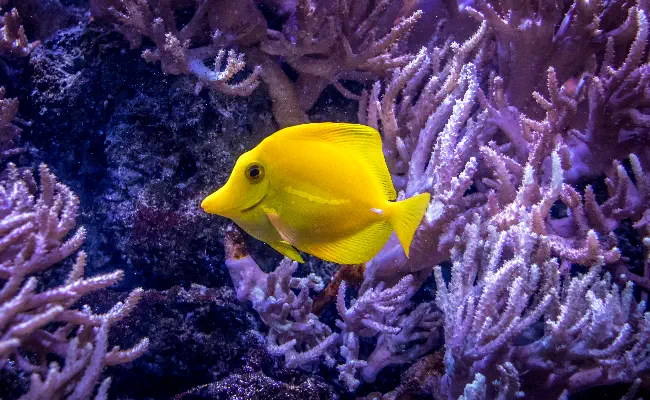
Yellow Tang
Zebrasoma flavescensA bright yellow, algae-grazing surgeonfish that needs a larger tank with open swimming room, prized as a centrepiece fish in bigger reef systems.
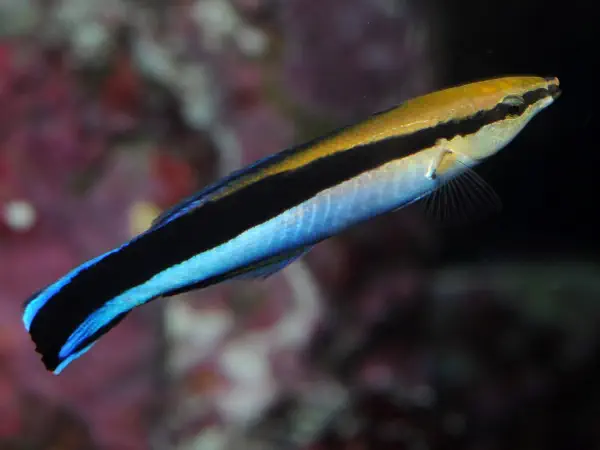
Cleaner Wrasse
Labroides dimidiatusA slender, blue-striped wrasse famous for running reef "cleaning stations," picking parasites off other fish — fascinating to watch but notoriously difficult to keep fed long-term in captivity.
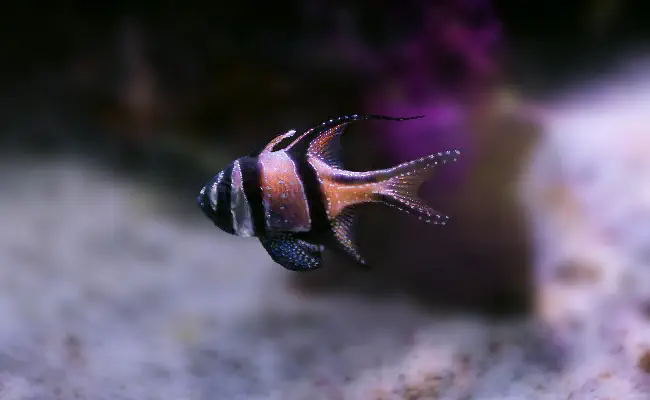
Banggai Cardinalfish
Pterapogon kauderniA striking, slow-moving reef fish with elongated fins and bold black-and-white markings, notable for being one of the few marine fish that broods its young in the male's mouth.
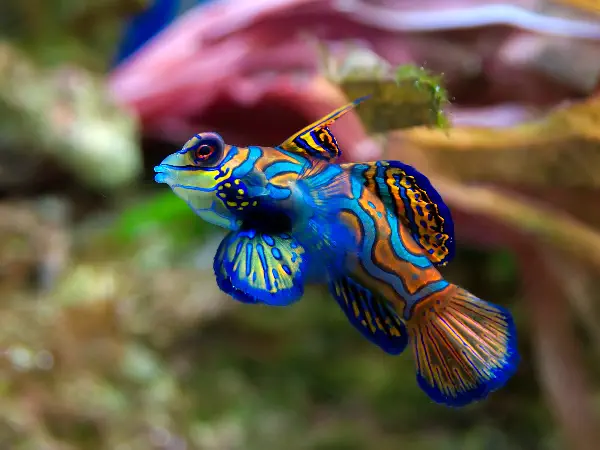
Mandarin Dragonet
Synchiropus splendidusOne of the most vividly patterned fish in the hobby, psychedelic swirls of blue, orange and green, but it grazes almost constantly on live copepods and needs a large, well-established tank to thrive.
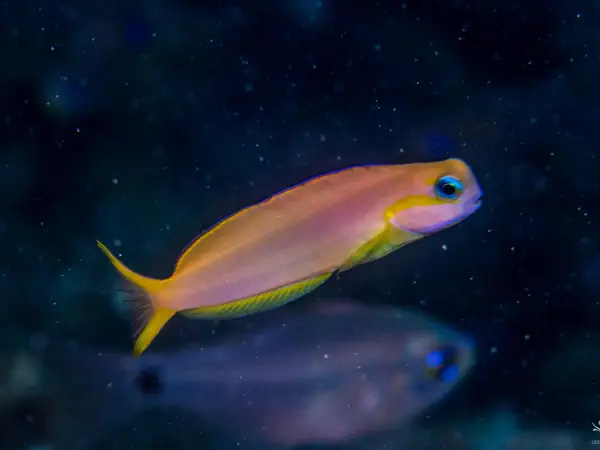
Midas Blenny
Ecsenius midasA bright golden-yellow, eel-like blenny that swims freely in open water rather than perching on rock like most blennies, peaceful and easy-going in a community reef tank.
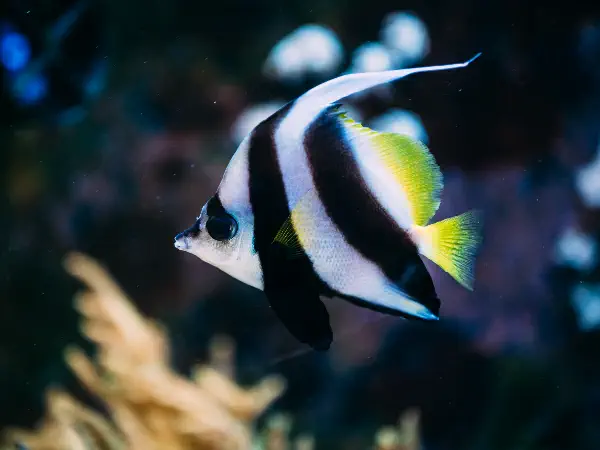
Moorish Idol
Zanclus cornutusAn unmistakable black, white and yellow banded fish with a long trailing dorsal filament, iconic on the reef but notoriously difficult to feed and acclimatise, best left to very experienced keepers.
The Marine Hobby in South Africa
Marine and reef keeping in South Africa has come a long way from the days of relying almost entirely on imported, wild-collected livestock. A growing number of local marine specialist stores now stock captive-bred fish and aquacultured coral frags alongside imports, giving hobbyists lower-stress, hardier animals and reducing pressure on wild reefs.
South Africa's own coastline — with its cool Atlantic waters on the west and warmer subtropical Indian Ocean waters up the east coast toward Sodwana and the Aliwal Shoal — means most tropical reef livestock in the local hobby is still imported from established Indo-Pacific supply chains, though local coral propagation and frag-swap culture within clubs has grown steadily.
Because marine systems demand tighter parameter control than most freshwater setups, ECAAC members running reef tanks lean heavily on the wider hobby community for troubleshooting, equipment recommendations, and frag trading — exactly the kind of knowledge-sharing a club environment is built for.
Setting Up a Reef Tank
Equipment & Structure
A reef tank leans far more on equipment than a typical freshwater setup: a protein skimmer to export dissolved waste before it can accumulate, strong return and wave-making pumps to replicate ocean flow, and high-output LED or T5 lighting tuned to the specific needs of the corals being kept. Live rock — porous, calcium-carbonate rock colonised by beneficial bacteria — forms both the structural reef-scape and a major part of the tank's biological filtration.
Most reef keepers run either a sump (a secondary tank below the display housing the skimmer, heater and other equipment out of sight) or a more compact all-in-one system, depending on tank size and budget.
Getting the Water Right
- Mix marine salt with RO/DI purified water rather than tap water, to avoid introducing phosphates, nitrates or metals that fuel algae and stress corals.
- Track calcium, alkalinity and magnesium closely — the three pillars corals draw on to build their skeletons.
- Keep temperature and salinity as stable as possible; corals tolerate a bad number far better than a fast-changing one.
- Go slowly — cycle the tank fully, add livestock gradually, and research each coral or fish's specific flow, light and placement needs before buying.
Curious About Starting a Reef Tank?
ECAAC's marine-keeping members are always happy to talk equipment, water chemistry, and livestock choices — and frag swaps are a great way to stock a reef tank affordably. Come along to a meeting and get hands-on guidance from members who've done it before.