
Aquascaping Substrates Compared
The substrate you choose shapes everything above it — root nutrition, water chemistry, plant selection, and how long the tank stays stable before a rescape. This guide compares aqua soil, sand, gravel, and the soil-under-sand method, and rounds up popular aqua soil brands available to South African aquascapers.
Why Substrate Matters
Substrate does three jobs at once in a planted tank: it anchors root systems, it feeds root-feeding plants directly, and it influences water chemistry through buffering. Get it wrong and you're fighting your tank's chemistry every week; get it right and the substrate quietly does a lot of the heavy lifting for you.
There's no single "best" substrate — the right choice depends on your plant selection, whether you're running CO2, your target water parameters, and how much you're willing to spend upfront versus over the tank's lifetime. Aqua soil gives the strongest start for demanding plants but breaks down and needs replacing; inert substrates like sand and gravel last indefinitely but need fertilisation to feed roots.
The Four Main Approaches
Aqua Soil
A fired clay-based granular substrate packed with nutrients, designed specifically for planted aquariums. The standard choice for serious aquascapers and competition tanks, giving demanding plants the strongest possible start.
Pros
- Nutrient-rich straight out of the bag — ideal for demanding carpet and stem plants
- Naturally softens and acidifies water, suiting most softwater planted tank species
- Porous structure supports beneficial root-zone bacteria
- Excellent root anchorage for fine-rooted carpeting plants
Cons
- Most expensive substrate option upfront
- Breaks down over 1–3 years and needs eventual replacement or topping up
- Releases ammonia when new — always cycle before adding fish
- Can compact and cloud water if disturbed too aggressively
Sand
Fine, inert mineral sand with no inherent nutrient content. Popular for its clean, natural look and because it never breaks down — what you buy is what stays, indefinitely. Requires plants to be fed through root tabs or liquid fertiliser instead.
Pros
- Lasts forever — no breakdown, no replacement needed
- Clean, natural aesthetic; ideal for biotope and iwagumi-style scapes
- Easy to keep clean with a gravel vacuum on top
- Generally inexpensive and widely available
Cons
- No inherent nutrients — root feeders need tabs or a nutrient-rich base layer
- Can compact tightly, risking anaerobic pockets if not disturbed occasionally
- Less forgiving for beginners growing demanding carpet plants
- No meaningful pH/KH buffering effect on its own
Gravel
Larger rounded or crushed stone particles, the traditional aquarium substrate. Good water flow between particles prevents anaerobic pockets, but the larger grain size makes it less suited to fine-rooted carpet plants than sand or aqua soil.
Pros
- Excellent water circulation through the substrate bed — very low risk of anaerobic pockets
- Inert and permanent, like sand
- Widely available and inexpensive
- Good for larger, coarser-rooted plants and general community tanks
Cons
- Grain size too large for fine-rooted carpet plants to establish well
- No inherent nutrients, same as sand
- Debris and waste can settle between larger particles, requiring more frequent vacuuming
- Coral or limestone-based gravels will raise pH/KH — check composition if you need soft water
Soil-Under-Sand (Dirt Method)
A layer of nutrient-rich organic potting soil (sieved and prepared) capped with a few centimetres of sand or fine gravel. Popularised in the low-tech planted tank community as a way to get aqua-soil-level nutrition at a fraction of the cost.
Pros
- Very strong, long-lasting root nutrition — often outlasts aqua soil
- Dramatically cheaper than commercial aqua soil for large tanks
- Excellent for heavy root feeders like Amazon Swords and Crypts
- The sand cap keeps the look clean while the nutrition stays hidden below
Cons
- Requires careful soil selection — must be free of added fertilisers, pesticides, or perlite
- Disturbing the sand cap during planting or maintenance can cloud the water badly
- Higher risk of ammonia spikes and gas pockets if not set up and capped correctly
- Less forgiving for a first-time planted tank than a pre-made aqua soil
Effects on pH & KH
| Substrate | pH Effect | KH/GH Effect | Duration |
|---|---|---|---|
| Aqua Soil | Lowers pH (mildly acidic) | Softens water somewhat | Strongest when new, fades over 6–18 months |
| Sand (inert) | No effect | No effect | Permanent — no buffering at all |
| Gravel (inert) | No effect | No effect | Permanent — no buffering at all |
| Gravel (coral/limestone-based) | Raises pH | Raises KH/GH significantly | Permanent — continuous buffering upward |
| Soil-Under-Sand | Slightly lowers pH | Minor softening effect | Gradual, long-lasting as organics break down |
Which Substrate Suits Which Plants
| Plant Type | Best Substrate | Why |
|---|---|---|
| Carpet plants (Monte Carlo, HC Cuba) | Aqua soil | Fine roots need nutrient-rich, fine-grained substrate to establish quickly |
| Root feeders (Swords, Crypts) | Soil-under-sand or aqua soil | Heavy feeders benefit hugely from nutrient-rich roots zones |
| Epiphytes (Anubias, Java Fern, Bucephalandra) | Any — sand or gravel work fine | Tied to wood/rock, not substrate-dependent; root zone nutrition doesn't matter |
| Stem plants (Rotala, Ludwigia) | Aqua soil preferred | Fast growth benefits from readily available nutrients at the root zone |
| Iwagumi-style hardscape | Aqua soil with sand accents | Nutrition for carpet plants, sand for the clean, minimal aesthetic |
| African Rift Lake cichlid tanks (no plants) | Coral/aragonite sand | Buffers pH and hardness upward to suit cichlid needs, not plant needs |
Aqua Soil Brands Compared
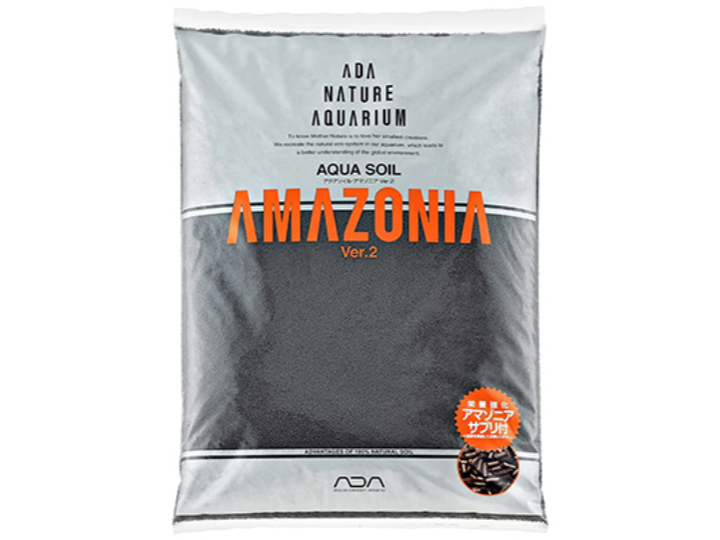
Aqua Soil Amazonia
The benchmark aqua soil that popularised the modern nature aquarium style. Rich in organic nutrients, strongly softens and acidifies water, and remains the reference point competition aquascapers compare other soils against.
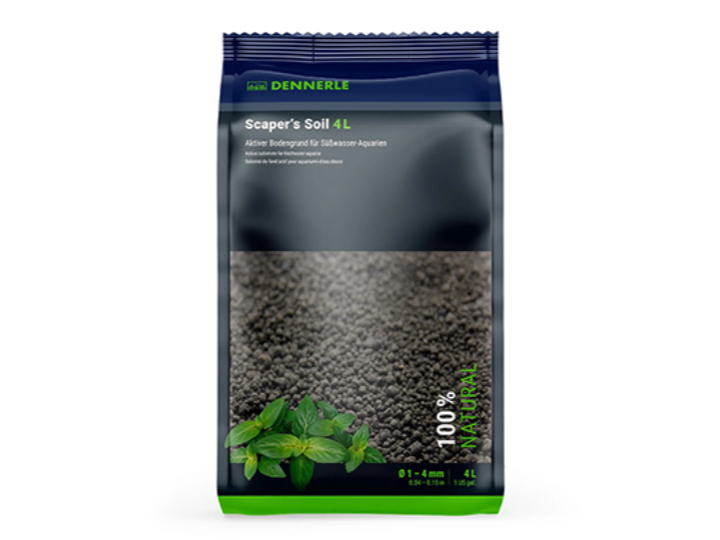
Scaper's Soil
A German-made aqua soil known for its stable, consistent grain shape and reliable long-term structure — it holds its form well over time with less compaction than some budget alternatives.
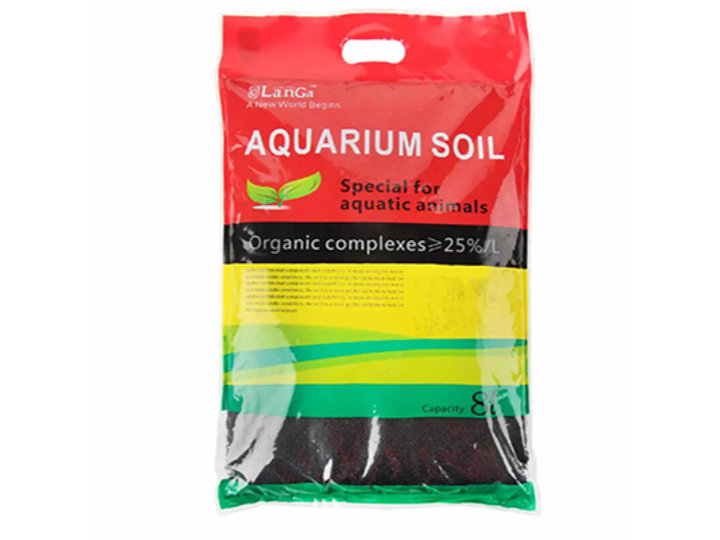
Aqua Soil
A more budget-accessible aqua soil offering solid all-round performance for hobbyists getting started with nutrient-rich substrates without the premium price tag of the established Japanese and German brands.
Substrates in South Africa
ADA products are imported and carry a premium price in South Africa, but remain the reference standard many local competition aquascapers still choose to work with. More budget-accessible brands like Langa have become popular as entry points for hobbyists building their first serious planted tank without the ADA price tag.
The soil-under-sand method has a strong following in the local low-tech planted community specifically because it sidesteps import costs almost entirely — ordinary, additive-free potting soil is easy to source locally, making it one of the most cost-effective substrate options available to South African aquascapers.
Second-hand aqua soil is occasionally available at club auctions from members rescaping — a reasonable option if you're not fussy about grain uniformity and want to try aqua soil before committing to a full bag at retail price.
Planning Your Next Substrate?
ECAAC members have hands-on experience with most of the substrates and brands covered here — come along to a meeting for advice on what suits your specific plant list and budget.