
The Art of Aquascaping
Aquascaping is the art of arranging aquatic plants, rock, and driftwood into a living underwater landscape — part horticulture, part sculpture, and part patient, ongoing gardening. From precise Japanese stone arrangements to lush tangled jungles, it has grown into one of the most creative corners of the South African aquarium hobby.
A Short History
Planted aquariums date back further than most hobbyists realise. The earliest recognisable style, now known as the Dutch Aquarium, emerged in the Netherlands in the 1930s–1950s, built around dense rows and terraces of contrasting-leaved plants arranged almost like an underwater flower bed — hardscape was deliberately minimal or absent, with the plants themselves doing all the visual work.
The craft was transformed in the late 20th century by Japanese photographer and aquarist Takashi Amano, founder of ADA (Aqua Design Amano). Amano applied principles borrowed from Japanese gardening and the concept of wabi-sabi — beauty found in natural asymmetry and imperfection — to create the Nature Aquarium style: layouts built around a strong hardscape "skeleton" of rock or driftwood, softened and framed by carefully chosen plants, designed to evoke a real landscape rather than a garden bed.
From these two foundations, a wide family of layout styles has developed — the minimalist Iwagumi (a Japanese stone-arrangement tradition Amano also popularised within the aquarium world), lush unstructured Jungle tanks, and biotope-accurate aquascapes that recreate a specific wild habitat rather than an idealised landscape.
Today, competitive aquascaping is a genuinely international pursuit, with contests like the IAPLC (International Aquatic Plants Layout Contest) drawing thousands of entries a year — and South African aquascapers, including ECAAC members, regularly build and enter tanks that hold their own on that same world stage.
Timeline
Layout Styles
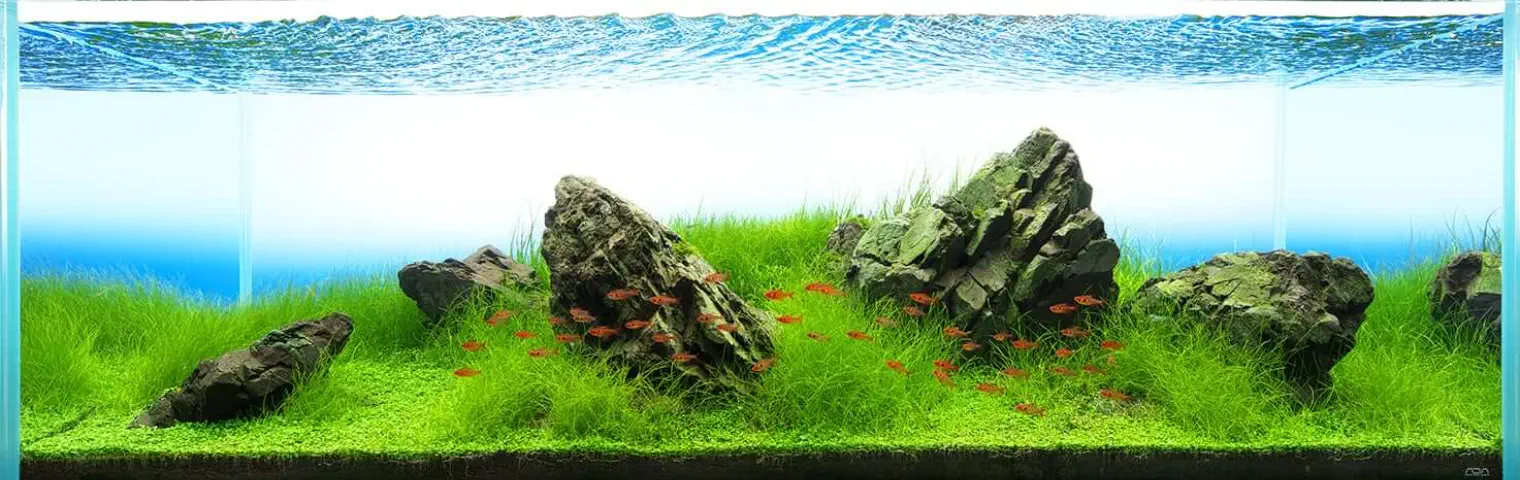
Iwagumi
Japanese stone-arrangement traditionBuilt around an odd number of carefully chosen stones — typically one dominant "Oyaishi" (main stone) and smaller supporting stones — arranged according to strict rules of proportion and asymmetry. Planting is usually restricted to one or two low, carpeting foreground species, keeping the composition clean and the focus entirely on the stone arrangement itself.
Defining Features
- Odd-numbered stone groupings, never placed symmetrically or centrally
- One or two carpeting plant species only, kept trimmed low
- Wide open "negative space" of substrate or sand between stones
- Strong dependence on CO2 injection to keep a demanding carpet plant healthy
Good Starting Plants
- Dwarf Hairgrass (Eleocharis) — forgiving, grass-like carpet
- Monte Carlo (Micranthemum tweediei) — dense, rounded-leaf carpet
- Dwarf Baby Tears (Hemianthus callitrichoides) — demanding but iconic Iwagumi carpet
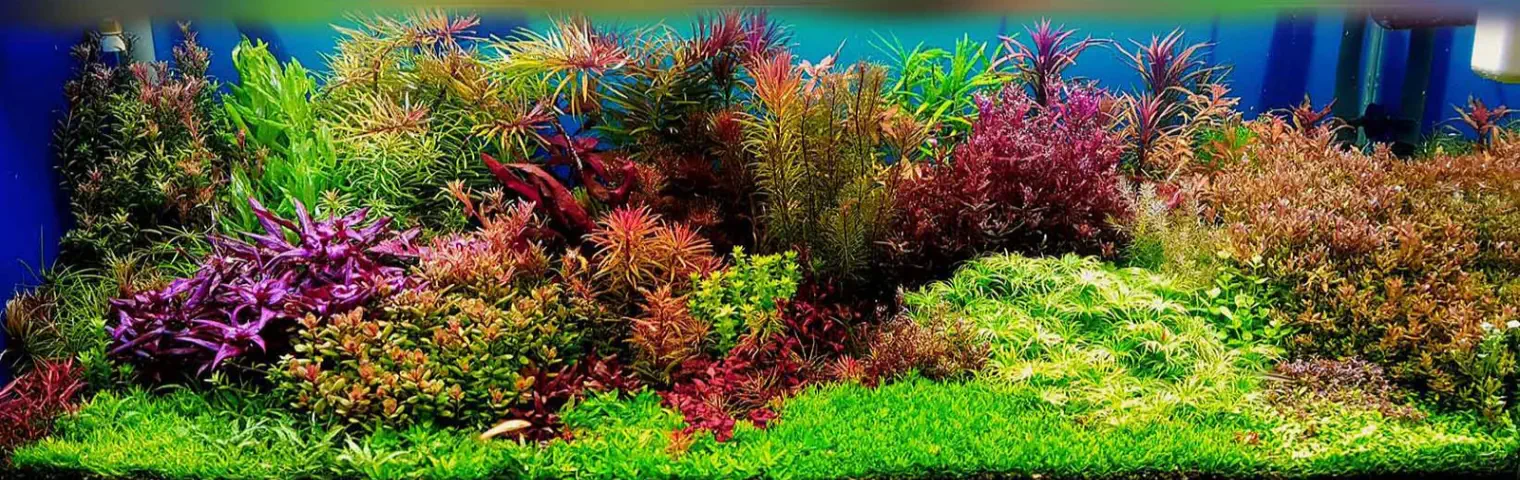
Dutch Aquarium
The Netherlands, 1930s–50sThe original planted-tank style, built almost entirely from plants rather than rock or wood. Contrasting leaf colours, shapes, and textures are arranged in distinct rows or "streets" running front to back, creating depth through planting alone. A well-kept Dutch tank is essentially an underwater flowerbed, and demands disciplined, regular pruning to hold its shape.
Defining Features
- Little to no rock or driftwood; plants provide all the structure
- Groups of stem plants arranged in contrasting colour "streets"
- A clear height gradient from tall background stems to a low foreground
- Frequent trimming needed to maintain crisp, defined plant groupings
Good Starting Plants
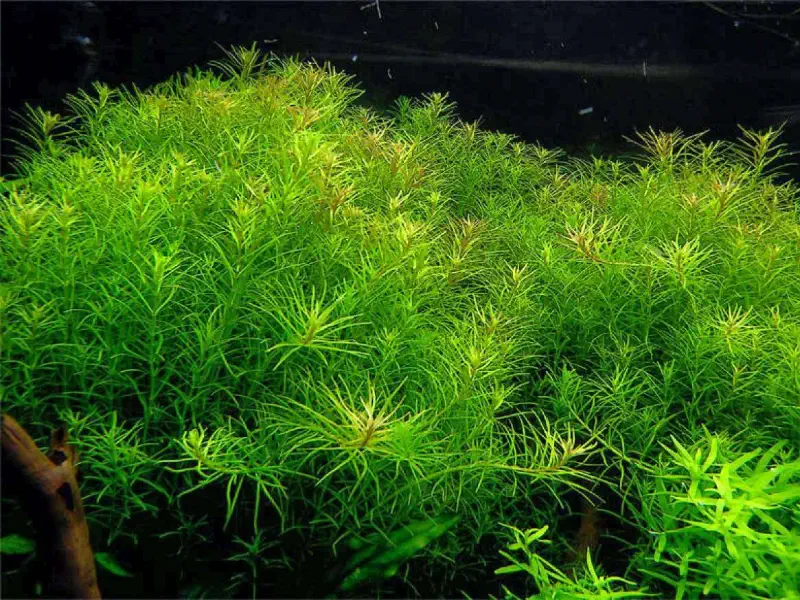
- Rotala rotundifolia — reliable red-toned stem plant under good light
- Ludwigia repens — hardy reddish contrast stem
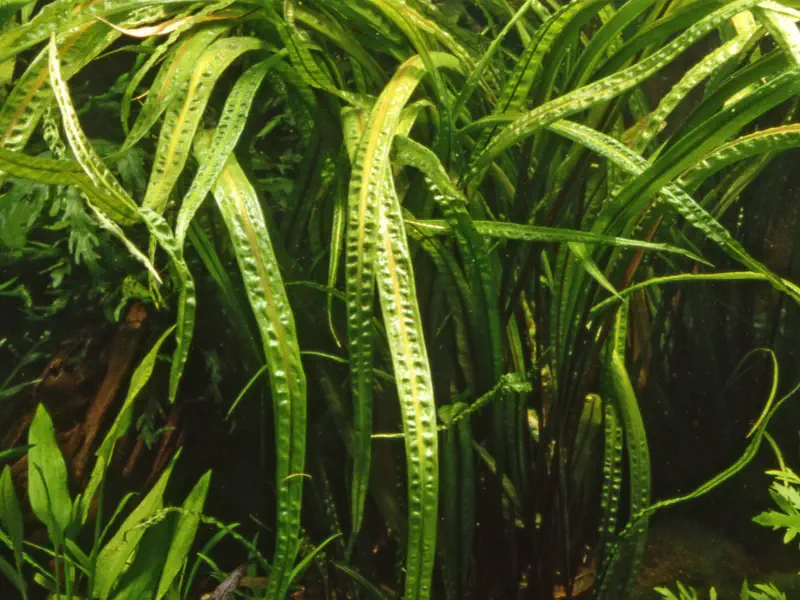
- Vallisneria — tall, grass-like background texture
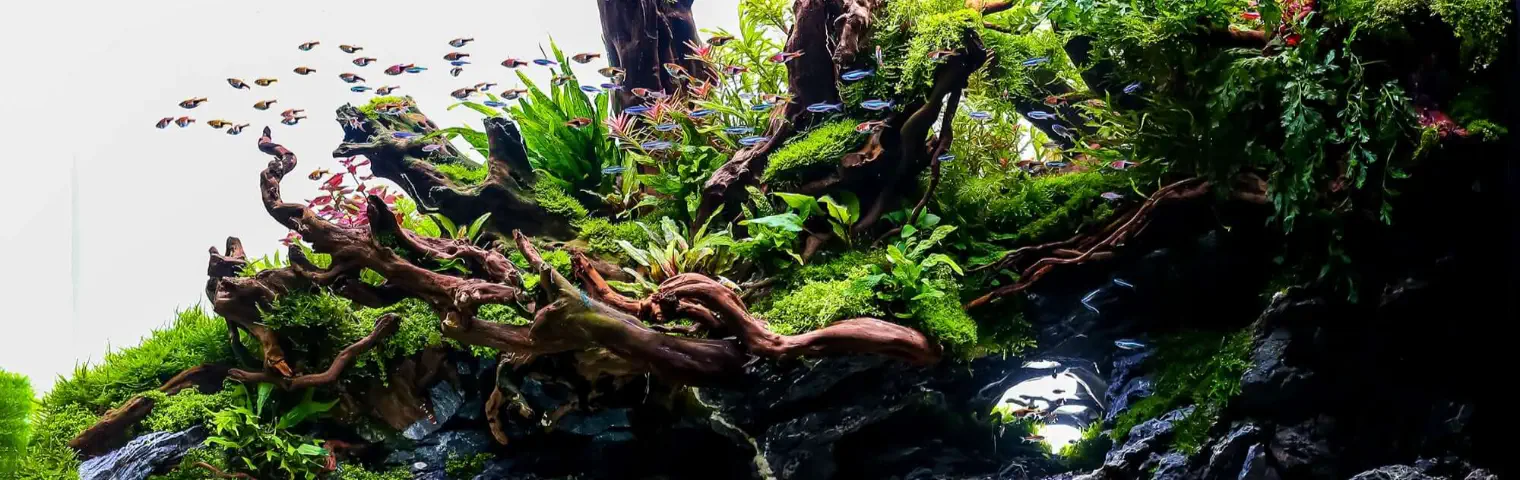
Nature Style
Popularised by Takashi Amano, Japan, 1990sBuilt around a strong hardscape "skeleton" of driftwood or rock that establishes the composition's structure, with plants used to soften, frame, and complete the scene rather than dominate it. The goal is to evoke a real landscape — a forest, mountainside, or valley — using the principles of asymmetry, proportion, and negative space drawn from Japanese garden design.
Defining Features
- A dominant hardscape focal point placed off-centre (the "golden ratio" rule of thirds)
- Layered planting depth — foreground, midground and background all distinct
- Careful use of negative space to avoid visual clutter
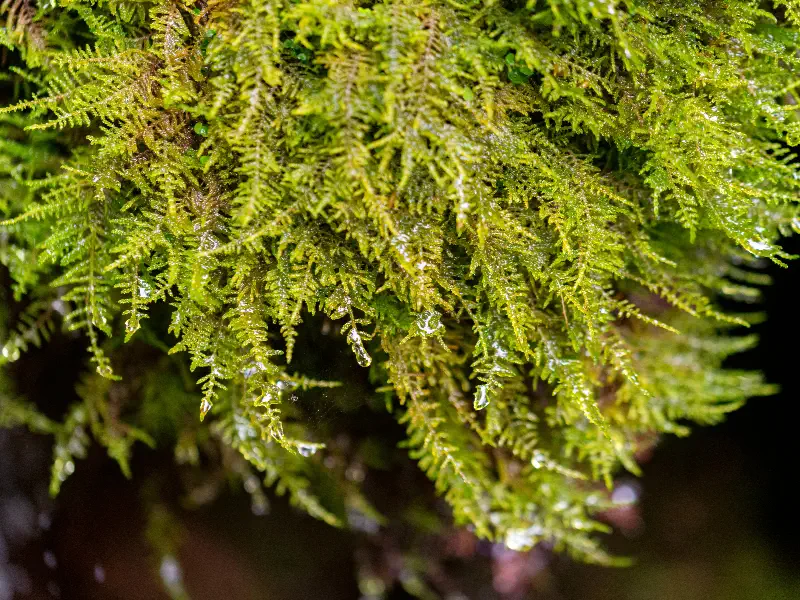
- Often combines several plant textures: fine, broad, mosses and epiphytes together
Good Starting Plants
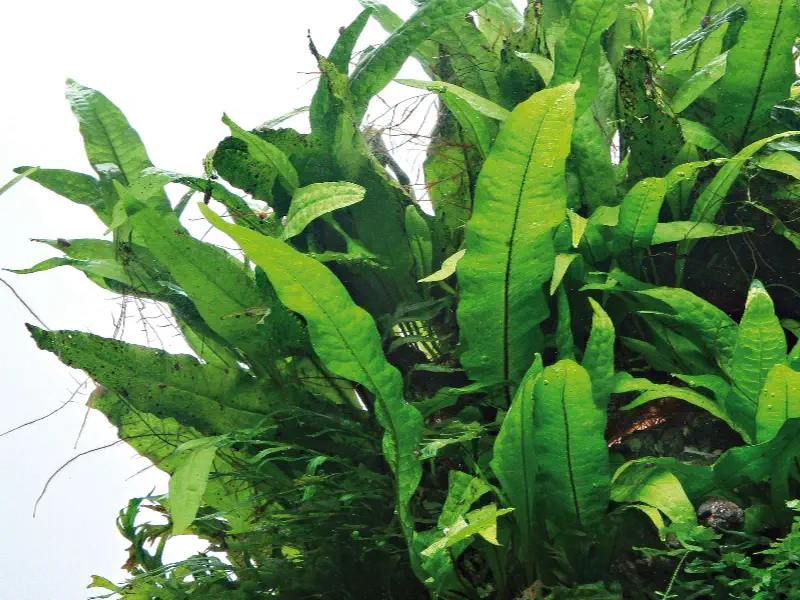
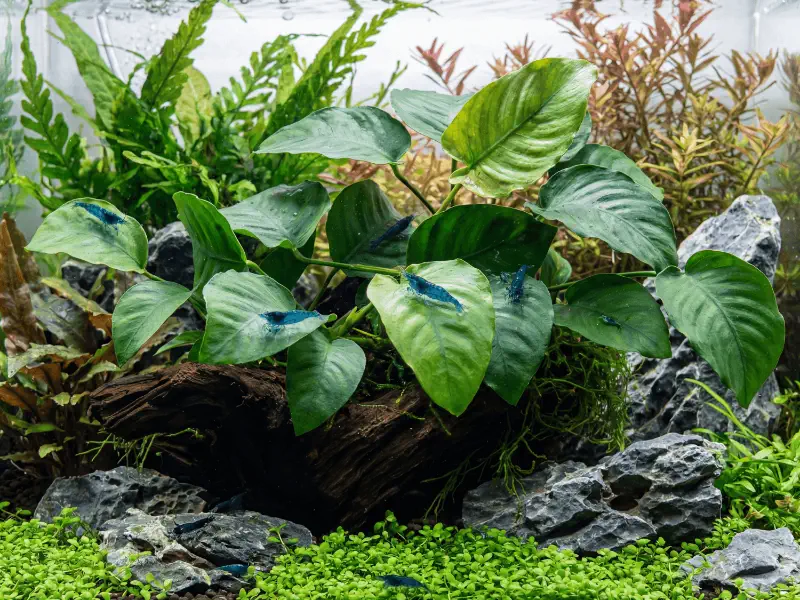
- Java Fern & Anubias — tied to hardscape as low-light epiphytes
- Staurogyne repens — compact, tidy foreground texture
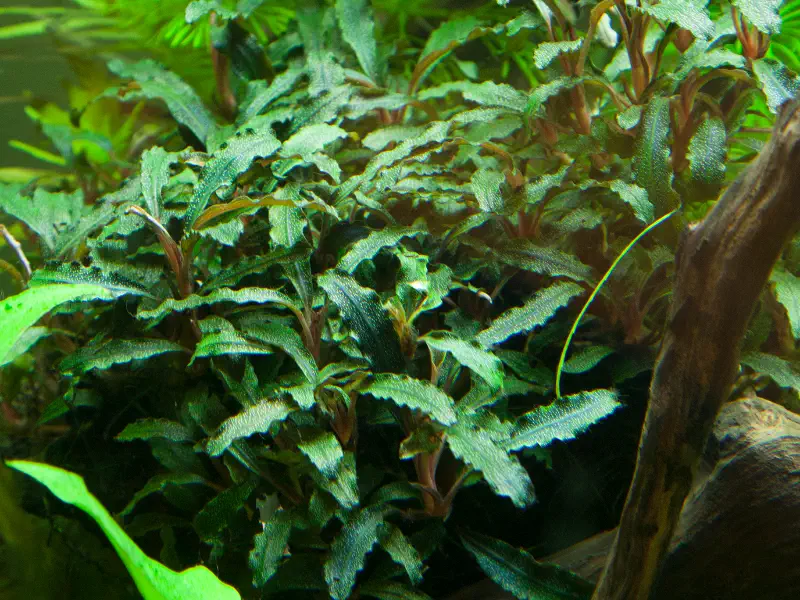
- Buce (Bucephalandra) — slow-growing rock and wood epiphyte with striking texture
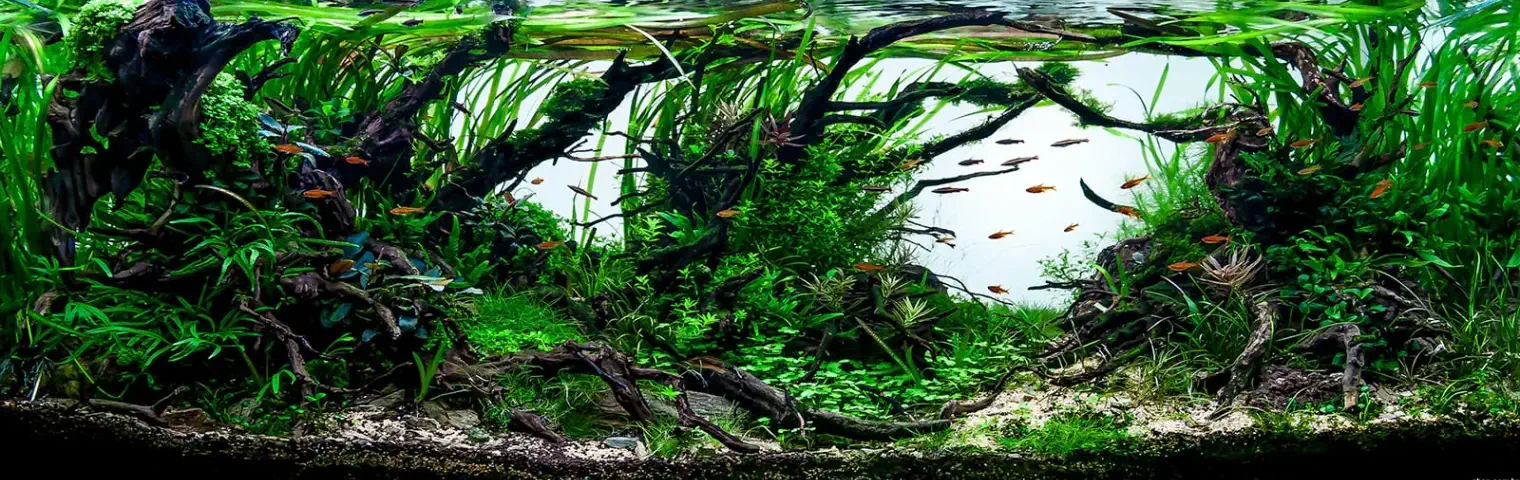
Jungle Style
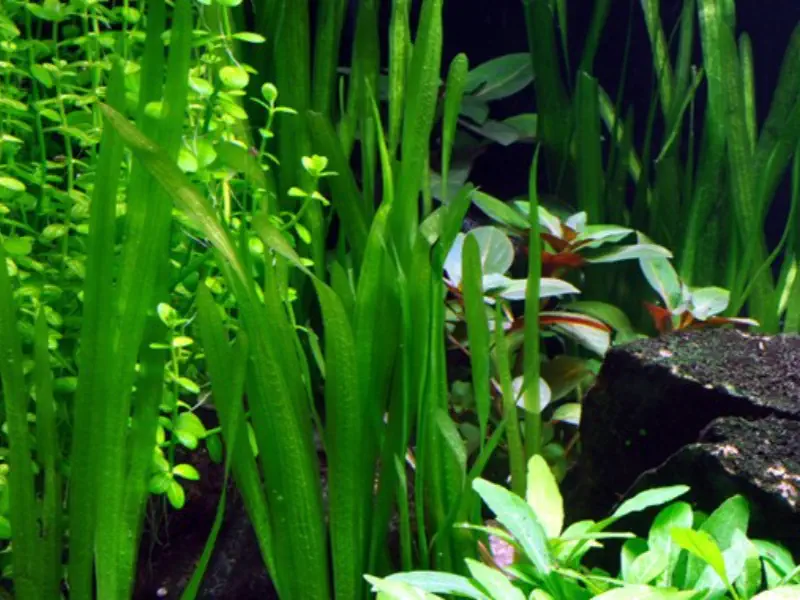
Informal, globally popularA deliberately loose, densely overgrown look that embraces fast-growing stem and floating plants left largely untrimmed. Far more forgiving than a precise Iwagumi or Nature layout, Jungle tanks are a popular entry point for beginners and a favourite for fish-focused keepers who want heavy cover and a lush, wild feel rather than competition-grade precision.
Defining Features
- Dense, often untrimmed stem plants and floating cover
- Minimal hardscape, sometimes none at all
- High tolerance for imperfection — a forgiving style for busy keepers
- Excellent cover and security for shy fish and shrimp
Good Starting Plants
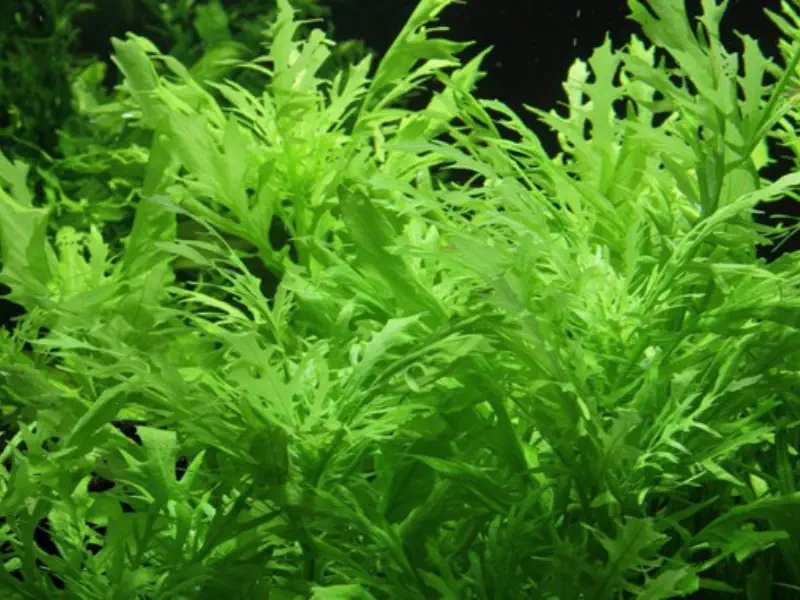
- Water Wisteria — fast-growing, undemanding stem plant
- Hornwort — unrooted, fast-growing and highly forgiving
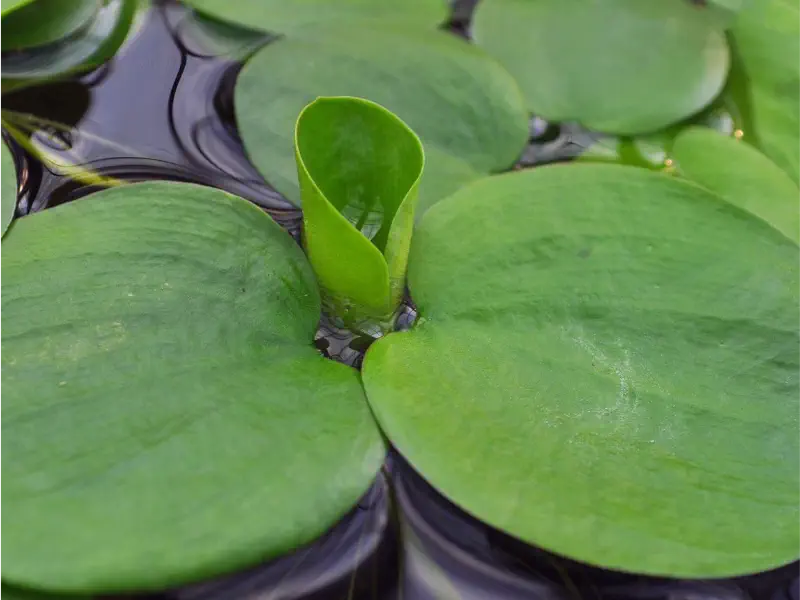
- Amazon Frogbit — floating cover that softens light and adds jungle texture
CO2 & Plant Science
Why CO2 matters: Underwater, dissolved carbon dioxide is often the single limiting factor in plant growth — far scarcer in water than in open air. Injecting CO2 (via a pressurised cylinder and diffuser, or a simpler DIY yeast reactor) removes that bottleneck, allowing demanding carpeting and red-leaved plants to grow far faster and denser than they could under light and nutrients alone. For a full breakdown of pressurised vs DIY systems, regulators and drop checkers, see our CO2 Systems Explained guide.
The balance to strike: Light, CO2, and nutrients (nitrogen, phosphorus, potassium and trace elements, usually dosed via liquid fertiliser or root tabs) all need to scale together. Strong lighting without matching CO2 and nutrients is the single most common cause of algae outbreaks in planted tanks — it's rarely "too much light" alone, but light outpacing what the plants can actually use. Our Aquascape Lighting Guide covers PAR, spectrum and photoperiod in detail.
Going low-tech: Not every aquascape needs CO2. Many hardy plants (Anubias, Java Fern, Crypts, Bucephalandra) thrive under low light with no CO2 injection at all, making a "low-tech" planted tank a realistic and far more affordable entry point for South African beginners.
Plants for Every Layer
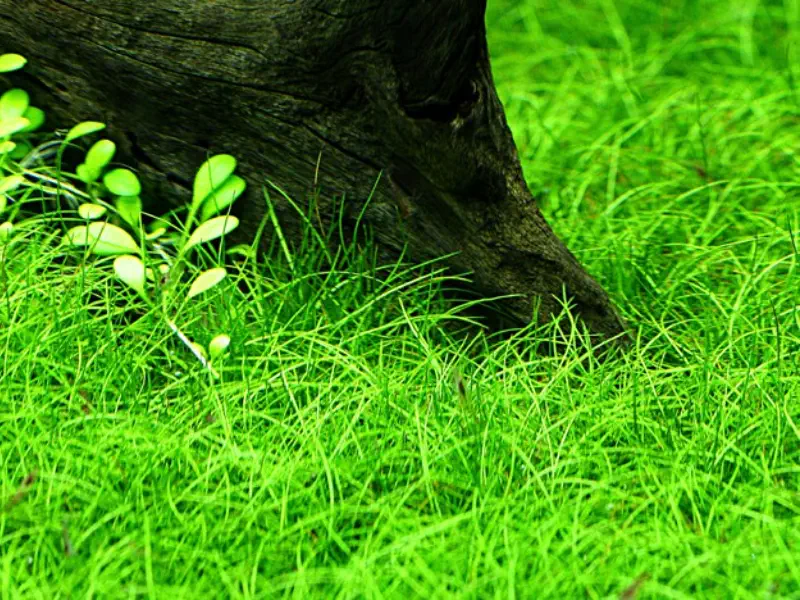
Dwarf Hairgrass
Eleocharis acicularisA grass-like carpeting plant that spreads via runners, forgiving enough for low-tech tanks yet dense and lush under CO2 and strong light.
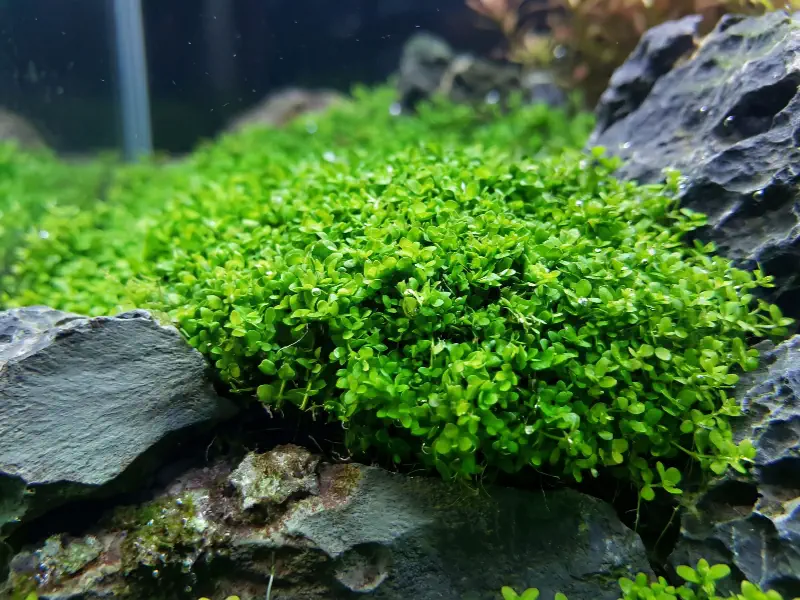
Monte Carlo
Micranthemum tweedieiA rounded, dense-leaved carpet plant, easier to grow than Dwarf Baby Tears while still delivering a lush, cushion-like foreground.
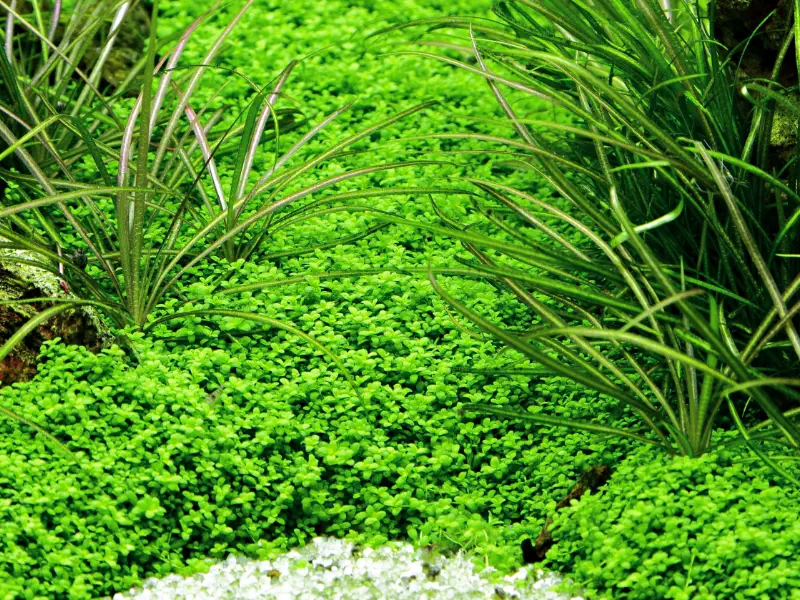
Dwarf Baby Tears
Hemianthus callitrichoidesThe famously demanding, tiny-leaved carpet at the heart of many competition Iwagumi layouts — needs strong light and consistent CO2 to thrive.
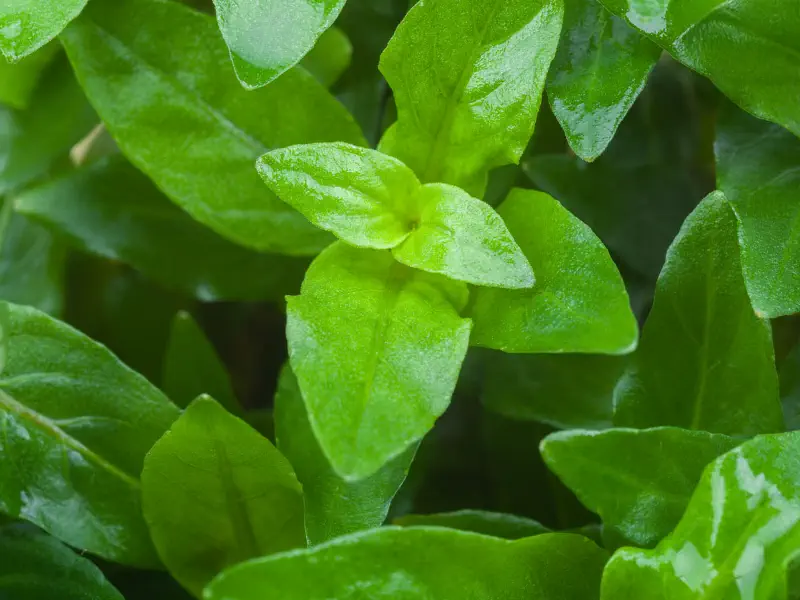
Staurogyne repens
Staurogyne repensA compact, undemanding foreground plant that holds a tidy, bushy shape without the strict CO2 dependency of true carpeting species.
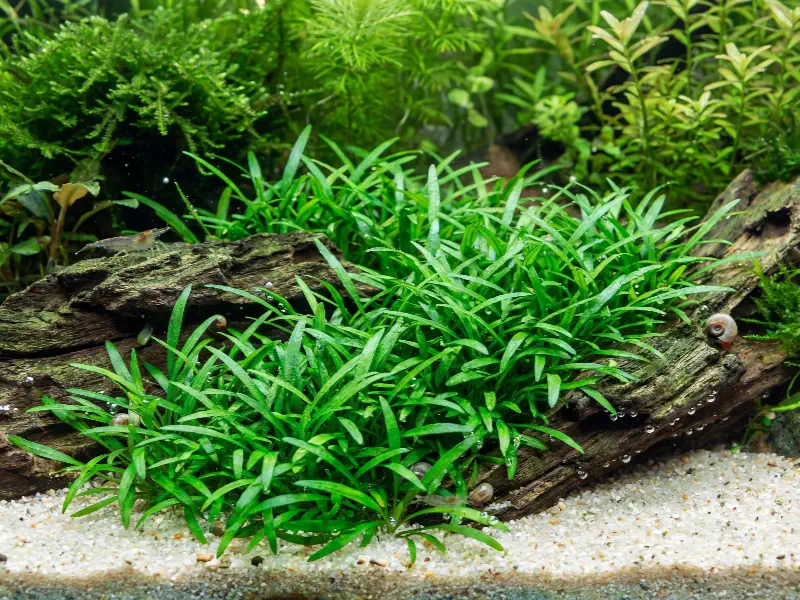
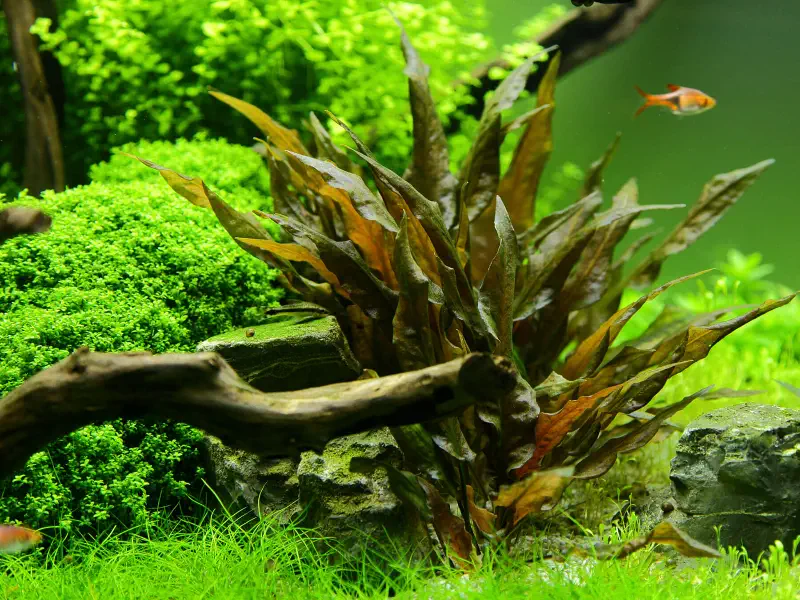
Cryptocoryne parva
Cryptocoryne parvaOne of the smallest Crypts in the hobby, a slow-growing, low-light foreground option ideal for a low-tech aquascape.
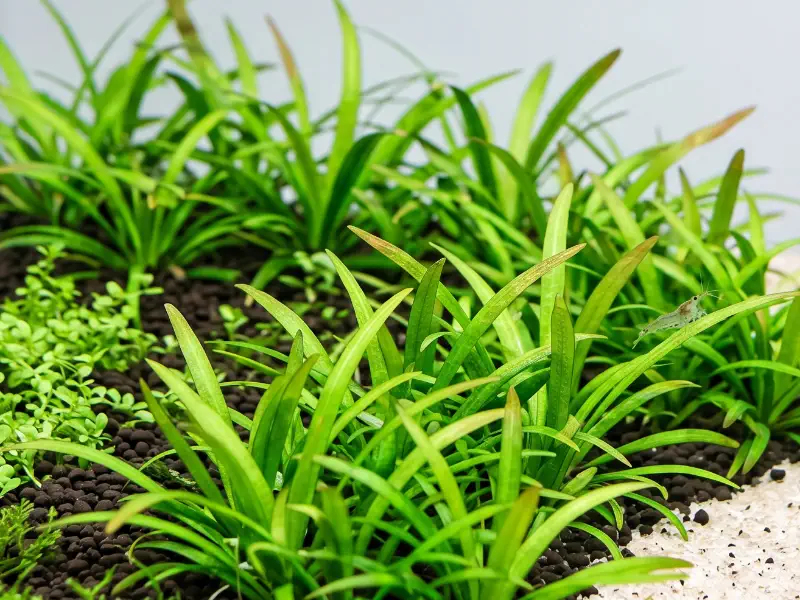
Dwarf Sagittaria
Sagittaria subulataA grass-like, easy-going carpeting plant tolerant of a wide range of conditions, a reliable low-tech alternative to hairgrass.
Hardscape Materials
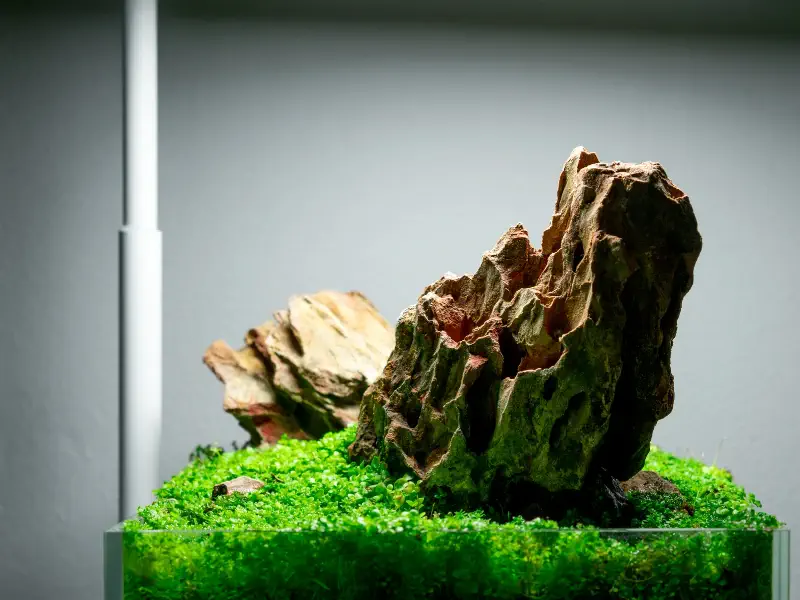
Dragon Stone / Ohko Stone
A porous, deeply textured rock riddled with natural holes and crevices — a favourite for Nature Style layouts thanks to its dramatic, weathered look.
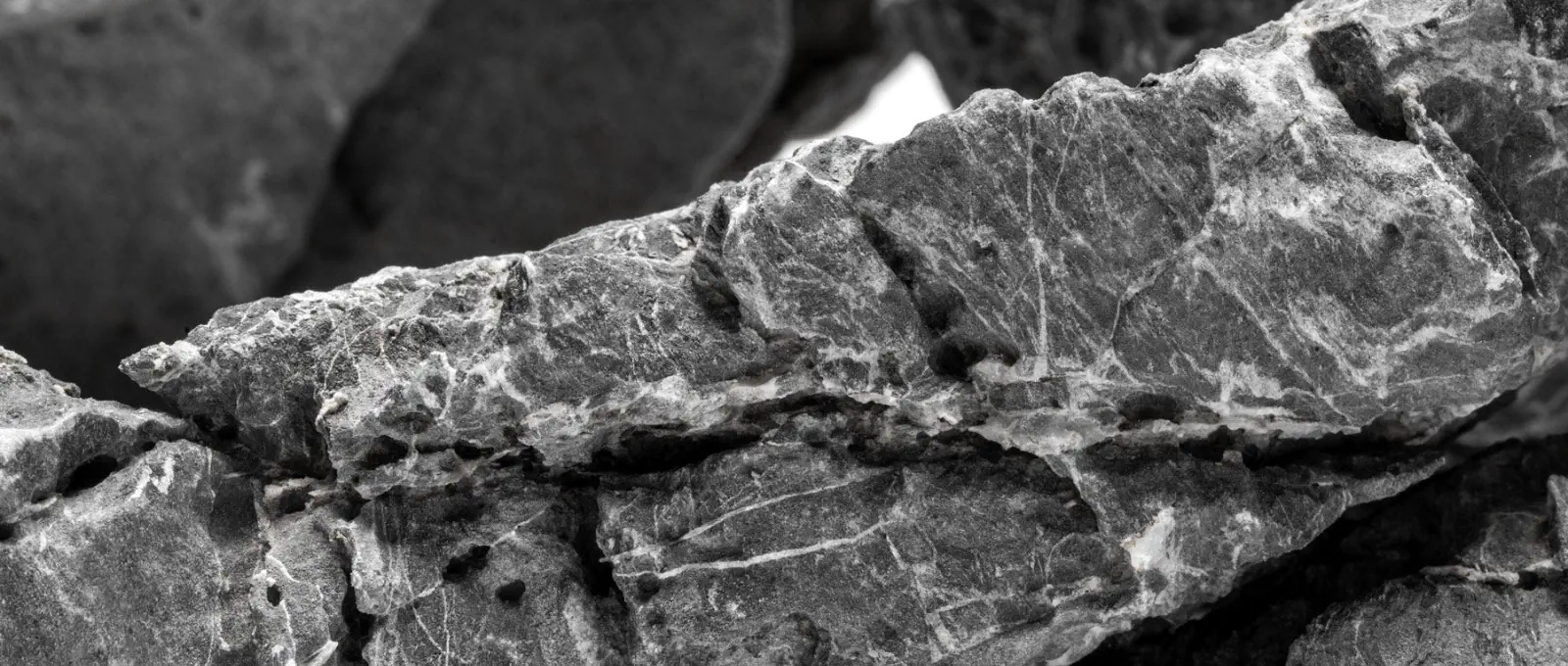
Seiryu Stone
A blue-grey, angular rock with sharp veining, the traditional choice for Iwagumi layouts. Note: it can raise water hardness, so plan accordingly.
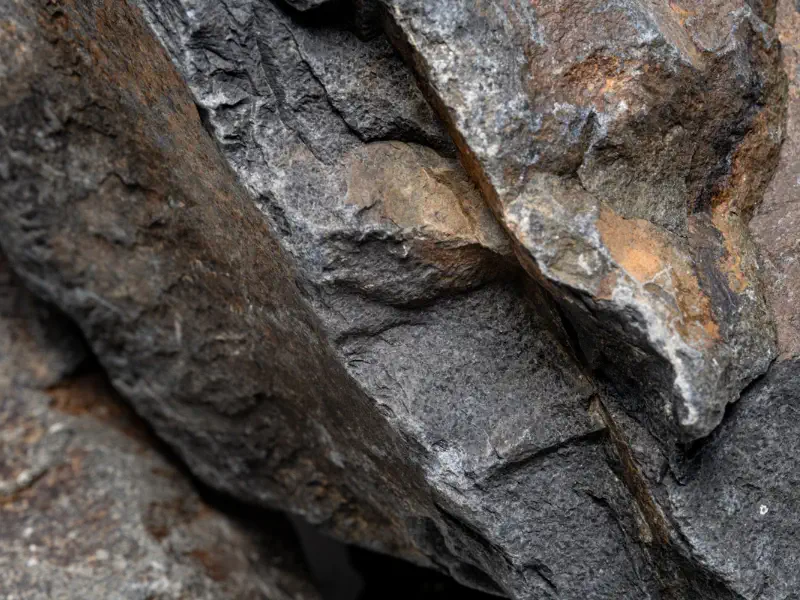
Local South African Rock
Many SA aquascapers successfully source inert local stone (well-rinsed and pH-tested) as a cost-effective alternative to imported aquascaping rock.
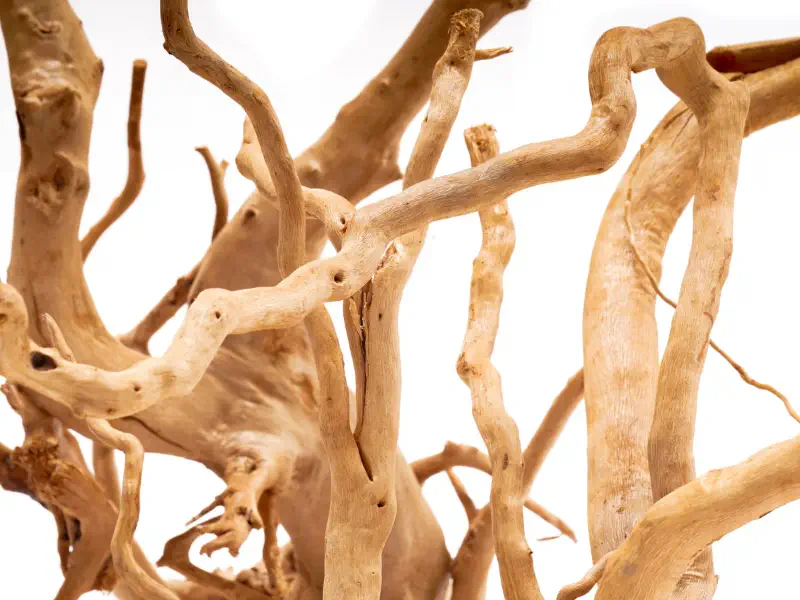
Spider Wood
Thin, twisting branches ideal for creating a tree-like or root-tangle effect, a popular choice for Nature Style and Jungle layouts alike.
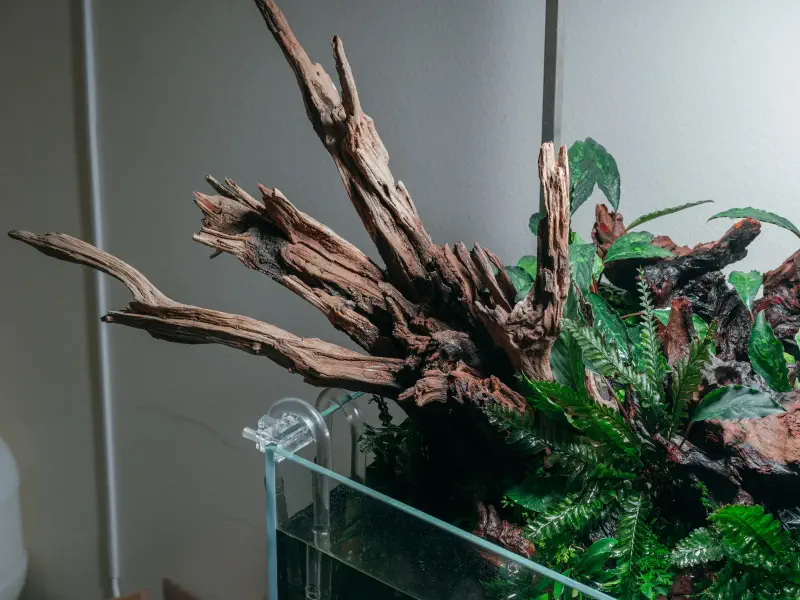
Malaysian Driftwood
Dense, heavy driftwood that sinks readily without much soaking, prized for bold, chunky branch structures as a central hardscape feature.
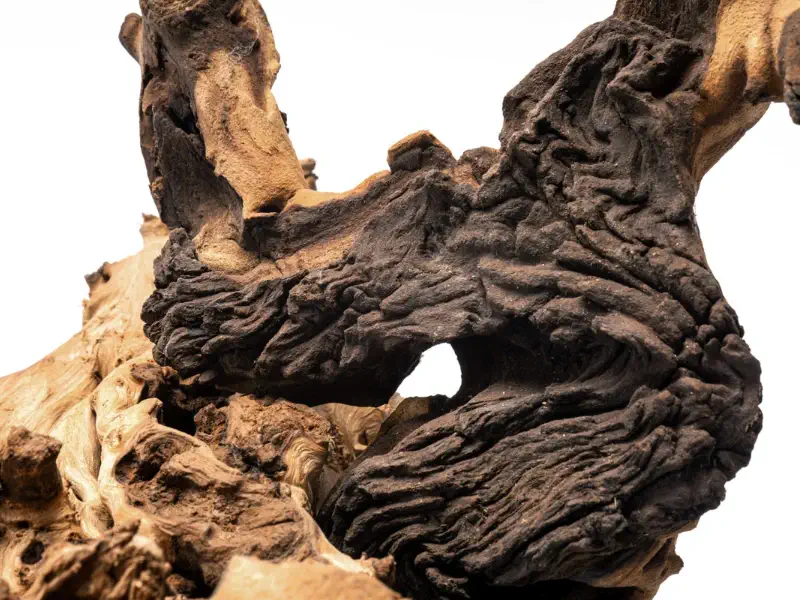
Mopani Wood
A dense, two-toned Southern African hardwood widely available locally, offering a striking natural look and slow, steady tannin release.
Did You Know
The Golden Ratio Rule
Many Nature Style layouts deliberately place their hardscape focal point roughly a third of the way across the tank — the same proportion used in classical art and photography composition.
Pearling Means Happy Plants
Tiny bubbles of pure oxygen streaming off plant leaves — called "pearling" — is a visible sign that photosynthesis is running so efficiently the plant has oxygen to spare.
Rules Come From Bonsai
Many Nature Style composition principles — asymmetry, negative space, a single dominant focal element — are borrowed directly from Japanese bonsai and garden design traditions.
An Iwagumi Tank Isn't Just Rocks
Despite the minimalist look, the exact number, size relationship, and placement of stones in a true Iwagumi layout follows centuries-old rules borrowed from Japanese rock gardening. Read our full Iwagumi Aquascaping guide for stone selection and golden ratio placement.
Some Tanks Never Touch a Substrate
"Hardscape-only" and even soil-free aquascapes are possible by growing epiphyte plants like Anubias and Buce entirely tied to rock and wood — no planting substrate needed at all. For a full comparison of soil, sand and gravel, see our Substrates Compared guide.
Competition Tanks Are Often Torn Down
Many award-winning competition aquascapes are photographed at their absolute peak and dismantled soon after — the "finished" photo is often closer to a snapshot than a permanent display.
Aquascaping in South Africa
Aquascaping has grown steadily as its own distinct branch of the South African aquarium hobby, separate from — but often overlapping with — traditional fishkeeping. Specialist local suppliers now stock CO2 systems, aquascaping soils, and imported hardscape alongside more affordable local alternatives like Mopani wood and inert local rock, making a range of budgets and skill levels achievable.
Import costs and shipping on specialist ADA-style substrates, fertilisers and rare plant species remain a real consideration for South African aquascapers, which has helped drive a strong local culture of plant trading, DIY CO2 solutions, and knowledge-sharing between hobbyists rather than relying purely on imported gear.
ECAAC's own Aquascaping Awards Program gives local aquascapers a structured way to develop their craft, get feedback from experienced members, and build toward the kind of layouts that can genuinely compete on the international stage — several club members have built tanks entered into contests like the IAPLC.
Ready to Build Your First Layout?
ECAAC's Aquascaping Awards Program supports members at every stage, from a first low-tech jungle tank to competition-grade Nature Style layouts. Come along to a meeting, bring photos of your tank, and get feedback from members who've been there.